Foundation First: How Specialized Footwear Elevates Your Lifts
Beyond aesthetics, discover the biomechanical advantages of high-performance lifting shoes for squats, deadlifts, and Olympic movements.
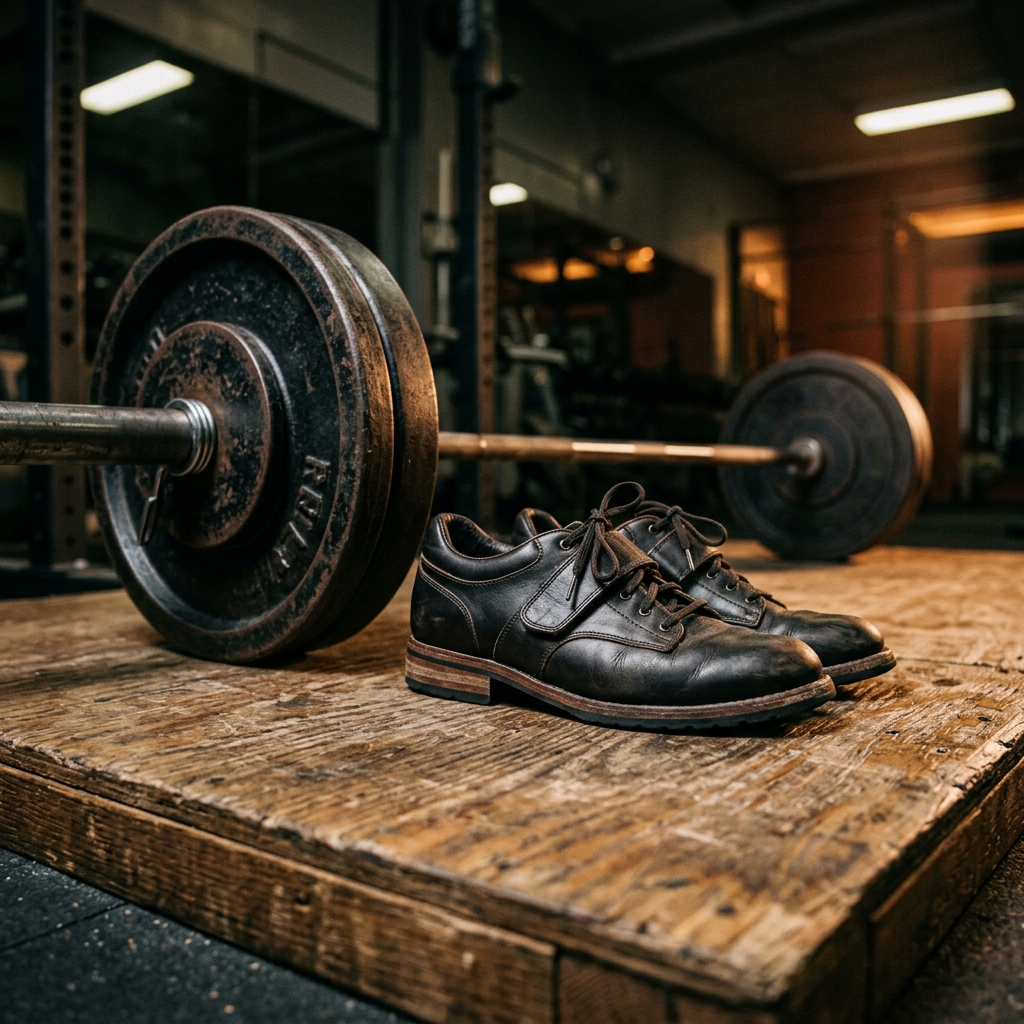
In the relentless pursuit of strength, power, and athletic superiority, serious lifters meticulously scrutinize every variable: programming, nutrition, recovery, and even the minute intricacies of bar path and joint angles. Yet, amidst this rigorous optimization, one foundational element often remains understated, its profound impact frequently relegated to mere aesthetic choice rather than scientific imperative: footwear. This article, penned from a biomechanical perspective, seeks to dismantle prevailing misconceptions and illuminate the indispensable role of specialized lifting shoes in elevating performance, mitigating injury risk, and unlocking a lifter's true physiological potential across the spectrum of squats, deadlifts, and Olympic movements.
The human foot, a complex marvel of 26 bones, 33 joints, and over 100 muscles, tendons, and ligaments, serves as the primary interface between the body and the ground. Its function during loaded movements is not merely to bear weight but to transmit **ground reaction forces** efficiently, maintain **proprioceptive** feedback, and provide a stable base from which to generate maximal power. Generic athletic shoes, designed for cushioning, flexibility, and impact absorption – qualities antithetical to the demands of heavy lifting – often compromise these critical functions, introducing instability and energy leakage. Specialized lifting footwear, by contrast, is engineered with a precise understanding of kinetic chain mechanics, optimizing force transmission and joint kinematics.
The Biomechanical Imperative: Engineered for Performance
Specialized lifting shoes are not a luxury; they are a sophisticated piece of equipment, each design element serving a specific biomechanical purpose. Understanding these features is key to appreciating their profound impact on lifting dynamics.
The Elevated Heel: Unlocking Squatting Depth and Upright Torso Mechanics
The most recognizable feature of Olympic weightlifting shoes (often referred to simply as "lifters") is their **elevated, incompressible heel**. Typically ranging from 0.5 to 1.0 inches (12.7 to 25.4 mm), this heel elevation fundamentally alters ankle **dorsiflexion** capacity. For many individuals, particularly those with anatomical limitations in ankle mobility (e.g., tight soleus or gastrocnemius muscles, bony impingement), achieving sufficient **dorsiflexion** during a deep squat without the heels rising is challenging.
By effectively "pre-dorsiflexing" the ankle, the elevated heel allows for a more vertical shin angle and, crucially, a more upright torso posture during the descent of a squat. This anatomical adjustment has several profound benefits:
- **Enhanced Quadriceps Engagement:** A more upright torso reduces the reliance on the posterior chain (glutes and hamstrings) to maintain balance and allows for greater contribution from the **quadriceps femoris** group. This can be particularly beneficial for lifters aiming to maximize **quadriceps hypertrophy** or for those whose sport demands strong knee extension, such as Olympic lifters.
- **Improved Squat Depth:** With increased effective ankle mobility, lifters can achieve greater depth while maintaining a stable and balanced position, allowing for full range of motion, which is critical for strength development and competitive powerlifting/weightlifting.
- **Reduced Lumbar Stress:** A more upright torso minimizes the forward lean often seen in individuals with poor ankle mobility during squats. This reduced forward lean translates to less shear force and compressive stress on the lumbar spine, potentially decreasing the risk of lower back injuries.
- **Optimized Receiving Position for Olympic Lifts:** In the snatch and clean & jerk, the receiving position (overhead squat or front squat) demands extreme ankle **dorsiflexion** and an upright torso. The elevated heel is non-negotiable for stability and power transfer in these dynamic movements.
The Flat, Incompressible Sole: The Foundation for Force Transmission
In stark contrast to the elevated heel, specialized powerlifting shoes for deadlifts and some squat variations feature an extremely flat, thin, and entirely incompressible sole. The philosophy here is maximal ground contact and minimal stack height.
- **Maximal Ground Contact and Stability:** A flat sole ensures the entire foot is in contact with the ground, maximizing the surface area for force transmission. This creates an incredibly stable base, preventing any energy absorption or wobble that might occur with a cushioned sole.
- **Reduced Range of Motion (Deadlifts):** For deadlifts, every millimeter counts. A thin sole reduces the distance the bar has to travel to achieve lockout. While seemingly minor, this reduction translates to a tangible advantage in competitive settings.
- **Enhanced Proprioception:** The thin, rigid sole offers superior **proprioceptive** feedback, allowing the lifter to "feel" the floor and adjust their balance and weight distribution with greater precision. This direct connection to the ground is crucial for establishing a strong, stable setup and executing powerful pulls.
- **Efficient Force Transfer:** The incompressible material of the sole ensures that virtually all force generated by the lifter is transferred directly into the ground, aiding in the application of **ground reaction force** to lift the weight. There is no energy "lost" to compression or deformation of a soft sole.
Foot Security and Arch Support: The Midfoot Strap and Rigid Upper
Beyond the sole, the construction of the shoe's upper and fastening system plays a vital role. Most specialized lifting shoes feature a robust lacing system often complemented by one or more **midfoot straps** (metatarsal straps). These elements work synergistically to:
- **Prevent Foot Splay:** Under heavy loads, the foot naturally wants to splay or expand. A secure lacing and strapping system prevents this, maintaining the structural integrity of the arch and the foot's position within the shoe.
- **Maximize Lateral Stability:** The rigid upper and secure fit minimize any lateral movement of the foot inside the shoe, crucial for maintaining balance and preventing ankle roll, particularly during dynamic Olympic lifts or heavy squats.
- **Enhance Arch Support:** By cinching the foot tightly, the shoe helps to maintain the natural arch, optimizing the foot's ability to act as a rigid lever for force transmission rather than a flexible shock absorber. This contributes to better force distribution across the entire foot.
"The foot is the body's anchor to the earth. To compromise its stability and functional mechanics during maximal exertion is to introduce inherent inefficiencies and elevate the risk of injury throughout the entire **kinetic chain**. Specialized footwear is not an accessory; it is a fundamental engineering component of a high-performance lifting system." - Dr. Elias Thorne
Application Across Key Lifts
Squats: The Debate of Heel Height
For squats, the choice between an elevated heel and a flat sole is largely dependent on individual biomechanics, lifting style, and goals.
- **Weightlifting Shoes (Elevated Heel):** Ideal for Olympic lifters, high-bar squatters, or individuals with limited ankle **dorsiflexion**. They promote a more upright torso, emphasize **quadriceps** activation, and facilitate greater depth with reduced risk of "good morning" mechanics. The elevated heel helps to maintain the center of gravity over the middle of the foot during a deep squat, improving balance.
- **Powerlifting Shoes (Flat Sole):** Preferred by low-bar squatters who favor a more hip-dominant, posterior-chain-focused squat. The flat sole maximizes surface contact, enhancing **proprioception** and stability. For lifters with excellent ankle mobility and a strong back squat pattern, a flat sole can provide an unshakable base for maximal loads, ensuring efficient transfer of **ground reaction force**.
Deadlifts: The Uncompromising Flat Foundation
For the deadlift, the consensus is unequivocal: a flat, thin, and incompressible sole is paramount. The goal is to minimize the distance the bar travels, maximize **proprioceptive** feedback, and ensure the most direct transfer of force from the ground up through the **kinetic chain**. Any cushioning or heel elevation would be detrimental, increasing the range of motion and introducing instability. Minimalist shoes or specific deadlift slippers are often favored for these reasons, reducing the sole thickness to bare minimums. This allows the lifter to establish an incredibly stable base, "feeling" the floor and optimizing their leverage and body position for a powerful pull.
Olympic Lifts (Snatch, Clean & Jerk): Precision and Power
In Olympic weightlifting, the specialized weightlifting shoe with its elevated, rigid heel is absolutely indispensable. These dynamic movements demand an extraordinary combination of mobility, stability, and explosive power. The elevated heel facilitates:
- **Deep Receiving Positions:** Essential for the full squat catch in both the snatch and clean, allowing the lifter to descend quickly and deeply into a stable position.
- **Vertical Torso:** Crucial for maintaining balance with a heavy bar overhead or in the front rack, preventing the lifter from tipping forward.
- **Powerful Drive:** The rigid sole and secure fit enable efficient transfer of force during the explosive triple extension phase, allowing the lifter to drive powerfully through the midfoot and heel.
- **Dynamic Stability:** During the complex footwork and rapid transitions of Olympic lifts, the shoe provides a secure, stable platform, preventing unwanted foot movement or instability that could lead to missed lifts or injury.
Beyond the Lift: Injury Prevention and Performance Enhancement
The benefits of specialized footwear extend beyond mere performance metrics on the platform; they are integral to a lifter's long-term health and development.
- **Reduced Joint Stress:** By optimizing joint angles and promoting proper movement patterns, specialized shoes can significantly reduce undue stress on critical joints like the knees, hips, and lower back. For instance, improved ankle **dorsiflexion** from an elevated heel can prevent the knees from collapsing inwards (valgus collapse) or the torso from rounding excessively, both of which are common causes of injury.
- **Enhanced Force Production:** A stable, unyielding base is fundamental to the principle of **force production**. When the foot is securely anchored and the sole is incompressible, the lifter can apply maximal force against the ground, translating directly into greater lifting capacity. This is a direct application of Newton's third law of motion: for every action, there is an equal and opposite reaction. The shoe ensures that the "action" (force into the ground) is maximized and the "reaction" (force lifting the weight) is optimized.
- **Neuromuscular Efficiency and Proprioception:** The rigid structure and snug fit of specialized lifting shoes enhance **proprioceptive** feedback. This improved sensory input allows the central nervous system to more effectively coordinate muscle activation and refine motor patterns, leading to greater **neuromuscular efficiency**. Lifters can "feel" their position better, making subtle adjustments to improve technique and stability, which is critical for handling heavy loads safely.
Choosing the Right Footwear: A Scientific Approach
Selecting the appropriate specialized footwear requires a systematic evaluation, considering individual biomechanics, mobility, and specific lifting goals.
| Shoe Type | Key Characteristics | Primary Lifts | Key Biomechanical Advantage |
|---|---|---|---|
| Olympic Weightlifting Shoes | Elevated (0.5-1.0 inch), rigid heel; incompressible sole; secure midfoot strap; durable upper. | Snatch, Clean & Jerk, High-Bar Squat, Front Squat. | Increases effective ankle **dorsiflexion**, promotes upright torso, enhances **quadriceps** activation, optimizes receiving positions. |
| Powerlifting Shoes (Flat Sole) | Extremely flat, thin, incompressible sole; wide toe box; secure lacing/straps. | Deadlifts, Low-Bar Squat, Bench Press (for stability). | Maximizes ground contact, minimizes bar travel (deadlifts), enhances **proprioception**, ensures efficient force transfer from the floor. |
| Minimalist/Barefoot Shoes | Zero-drop, extremely thin sole; flexible upper. | Deadlifts (for some), Bodyweight movements, Mobility work. | Offers maximal **proprioceptive** feedback and natural foot mechanics; no artificial support or elevation. |
| General Athletic/Running Shoes | Cushioned sole; flexible upper; often elevated heel-to-toe drop. | Cardio, plyometrics, general gym activities (NOT recommended for heavy compound lifts). | Designed for shock absorption and comfort; detrimental for heavy lifting due to instability and energy absorption. |
**Heel Height:** Consider your natural ankle mobility and squatting mechanics. If you struggle to hit depth with an upright torso or experience knee valgus, an elevated heel is likely beneficial. If you have exceptional ankle mobility and squat low-bar, a flat sole might be preferred.
**Sole Rigidity:** This is non-negotiable. Regardless of heel height, the sole must be utterly incompressible to prevent energy dissipation and ensure maximal force transfer.
**Fit and Security:** The shoe should fit snugly, almost like an extension of your foot, preventing any internal movement. The lacing and straps should lock the foot down without causing discomfort or restricting circulation.
**Material Durability:** Given the forces involved, the materials (leather, synthetic, TPU, wood) must be robust and durable to withstand years of heavy use.
Debunking Common Misconceptions
**"Barefoot is always best for deadlifts."** While barefoot lifting provides maximal **proprioception** and minimal bar travel, it doesn't offer the protection or consistent friction of a specialized deadlift slipper. Furthermore, in competitive settings, rules often mandate footwear. The critical factor is an incompressible, thin sole, which dedicated deadlift shoes provide while offering superior grip and foot protection.
**"Any flat-soled shoe works."** A flat-soled sneaker (e.g., Converse Chuck Taylors) is certainly better than a running shoe, but its sole is still often too flexible and compressible, lacking the dedicated rigidity and secure fit of a purpose-built powerlifting shoe. The material composition and structural integrity are fundamentally different.
**"Lifting shoes are only for competitive athletes."** This is a critical fallacy. The biomechanical advantages of specialized footwear benefit anyone engaging in heavy compound movements. They are tools for safer, more effective training, not just for competition. Investing in proper footwear is an investment in joint health and long-term lifting progression, contributing to safer **progressive overload** and reduced risk of chronic overuse injuries.
Conclusion: The Unseen Foundation of Strength
The intricate science behind specialized lifting footwear unequivocally demonstrates its pivotal role in optimizing biomechanics, enhancing performance, and safeguarding against injury. Far from being a mere aesthetic accessory, these shoes are precision-engineered tools that directly influence the **kinetic chain**, facilitating more efficient force transmission, promoting superior stability, and enabling more effective muscular recruitment.
For any individual committed to serious strength training – whether pursuing maximal loads in powerlifting, dynamic efficiency in Olympic weightlifting, or simply striving for robust functional strength and **hypertrophy** – understanding and implementing the correct footwear is an indispensable component of a scientifically informed training regimen. It is the unseen foundation upon which true strength is built, allowing lifters to harness their full physiological potential from the ground up. To neglect this fundamental aspect is to leave untapped performance and increased injury risk on the platform. Invest in your foundation; elevate your lifts.