Neural Reset: Hacking Your Vagus Nerve for Faster Recovery
Discover the cutting-edge neuroscience behind optimizing your body's innate recovery system and unlock unparalleled readiness for your next session.
In the relentless pursuit of peak physical performance, athletes, lifters, and fitness enthusiasts meticulously optimize training protocols, nutritional strategies, and sleep hygiene. Yet, a crucial, often overlooked frontier exists within the very fabric of our biology: the intricate orchestrations of the nervous system. Beyond the visible muscle contractions and macro-nutrient calculations lies a profound physiological control center that dictates our capacity for repair, adaptation, and readiness. This control center, embodied by the enigmatic **vagus nerve**, holds the key to unlocking a deeper, more profound level of recovery. Welcome to the neural reset, where we delve into the cutting-edge neuroscience of hacking your **vagus nerve** to accelerate recovery and amplify your athletic potential.
For too long, recovery has been narrowly defined by passive rest and caloric intake. While these elements are undeniably fundamental, modern science reveals a more dynamic, neurologically driven process. True recovery is not merely the absence of exertion; it is an active, regulated process orchestrated by your **Autonomic Nervous System (ANS)**. By understanding and deliberately influencing the **vagus nerve**, the principal component of the **Parasympathetic Nervous System (PNS)**, we can actively shift our physiology from a state of stress and catabolism to one of repair and anabolism, priming the body for optimal adaptation and unparalleled readiness for the demands of the next intense training session.
The Autonomic Nervous System: Your Internal Regulator
To truly grasp the power of the **vagus nerve**, we must first understand its context within the **Autonomic Nervous System (ANS)**. The **ANS** operates largely unconsciously, regulating vital bodily functions such as heart rate, digestion, respiration, and immune response. It comprises two primary branches: the **Sympathetic Nervous System (SNS)**, often dubbed the "fight-or-flight" response, and the **Parasympathetic Nervous System (PNS)**, known as the "rest-and-digest" or "feed-and-breed" system.
During intense exercise, the **SNS** takes the reins. It floods the body with **adrenaline** and **cortisol**, increasing heart rate, dilating airways, diverting blood to working muscles, and suppressing non-essential functions like digestion and immune responses. This acute stress response is essential for performance, enabling us to lift heavier, run faster, and push past perceived limits. However, prolonged **SNS** dominance, often seen in overtrained athletes or individuals with chronic stress, can lead to chronic **inflammation**, impaired nutrient absorption, disturbed sleep, and a compromised immune system – all detrimental to recovery and adaptation.
Enter the **PNS**, the counterbalancing force. Its primary role is to restore **homeostasis** after stress, facilitating an environment conducive to repair, growth, and energy conservation. The central highway for the **PNS** is the **vagus nerve**. When activated, the **PNS** lowers heart rate, promotes digestion, reduces **inflammation**, and calms the mind. Shifting rapidly and effectively from **SNS** dominance to **PNS** dominance post-workout is the hallmark of superior recovery capacity, and this transition is largely governed by the efficiency of your **vagus nerve**.
The Vagus Nerve: Your Internal Recovery Conductor
The term "vagus" derives from the Latin word for "wandering," a fitting description for this cranial nerve that is the longest and most complex in the human body. Originating in the brainstem, the **vagus nerve** descends through the neck and chest, branching out to innervate almost every major organ, including the heart, lungs, digestive tract (the **enteric nervous system**), liver, spleen, and kidneys. It is a bidirectional superhighway, transmitting sensory information from the organs to the brain (afferent pathways) and motor commands from the brain back to the organs (efferent pathways). This constant communication loop is critical for **interoception**, our sense of the internal state of our body, and thus, our overall well-being and recovery.
A robustly functioning **vagus nerve** is synonymous with high **vagal tone**. High **vagal tone** indicates a more efficient and adaptable **ANS**, enabling the body to respond appropriately to stressors and then quickly return to a state of calm. From a recovery standpoint, this translates directly to:
- Reduced Inflammation: The **vagus nerve** directly modulates the immune system through the "cholinergic anti-inflammatory pathway," releasing the **neurotransmitter acetylcholine** which inhibits pro-inflammatory **cytokines**. This is crucial for mitigating the systemic **inflammation** that follows intense training.
- Improved Digestion and Nutrient Absorption: It stimulates gastric acid secretion, gut motility, and enzyme release, ensuring efficient breakdown and absorption of the essential protein, carbohydrates, and fats needed for muscle repair and **glycogen resynthesis**. It plays a key role in the **gut-brain axis**.
- Enhanced Cardiovascular Recovery: By directly influencing the sinoatrial node of the heart, the **vagus nerve** slows heart rate and improves **Heart Rate Variability (HRV)**, a key biomarker of **ANS** health and recovery status.
- Stress Resilience and Mental Clarity: A strong **vagal tone** is associated with reduced anxiety, improved mood, and greater cognitive flexibility, all of which indirectly support better sleep and mental recovery from the demands of training.
"Optimizing **vagal tone** isn't about avoiding stress; it's about building the physiological resilience to adapt to stress and efficiently return to a state of growth and repair. It's the ultimate biohack for athletic longevity and peak performance." - Dr. Elara Vance
Measuring Vagal Tone: The Power of HRV
How do you know if your **vagus nerve** is functioning optimally? The most accessible and scientifically validated metric is **Heart Rate Variability (HRV)**. Unlike a simple heart rate reading, which measures the average number of beats per minute, **HRV** measures the tiny variations in the time intervals between successive heartbeats. A higher **HRV** indicates a greater capacity for the **ANS** to adapt and respond to various internal and external stimuli, signifying strong **vagal tone** and a healthier, more resilient system.
Wearable devices like the **Oura Ring** or **Whoop** have democratized **HRV** tracking, providing athletes with daily insights into their recovery status. A dip in your **HRV** might signal insufficient recovery, impending illness, or excessive stress, prompting you to adjust your training intensity or prioritize recovery strategies. Conversely, a consistently high **HRV** suggests your body is primed for optimal performance and adaptation, indicating that your neural recovery systems are firing on all cylinders.
Hacking the Vagus Nerve: Actionable Strategies for Accelerated Recovery
The good news is that **vagal tone** is not fixed; it can be actively trained and improved through conscious intervention. By integrating specific practices into your daily routine, you can strengthen your **vagus nerve**, enhance **PNS** activation, and fundamentally transform your recovery process.
1. Deliberate Breathing Techniques
The diaphragm, the primary muscle of respiration, is directly innervated by the **vagus nerve**. Slow, deep, diaphragmatic breathing is one of the most potent and immediate ways to stimulate the **vagus nerve** and shift into a parasympathetic state.
- Diaphragmatic Breathing: Lie down or sit comfortably. Place one hand on your chest and the other on your belly. Inhale slowly through your nose, allowing your belly to rise (your chest should remain relatively still). Exhale slowly through pursed lips, feeling your belly fall. Aim for 5-6 breaths per minute.
- Box Breathing (4-4-4-4): Inhale for 4 counts, hold for 4, exhale for 4, hold for 4. Repeat for 5-10 minutes. This structured breathing technique helps regulate the **ANS**.
These techniques can be particularly effective pre-sleep, post-workout, or during periods of acute stress.
2. Strategic Cold Exposure
While seemingly counterintuitive, acute, controlled exposure to cold water can significantly boost **vagal tone** through a process called **hormesis**. The initial shock activates the **SNS**, but the subsequent adaptation and prolonged exposure enhance **PNS** activity and **thermoregulation**.
- Cold Showers: Start with 30-60 seconds of cold water at the end of your regular shower, gradually increasing duration and decreasing temperature.
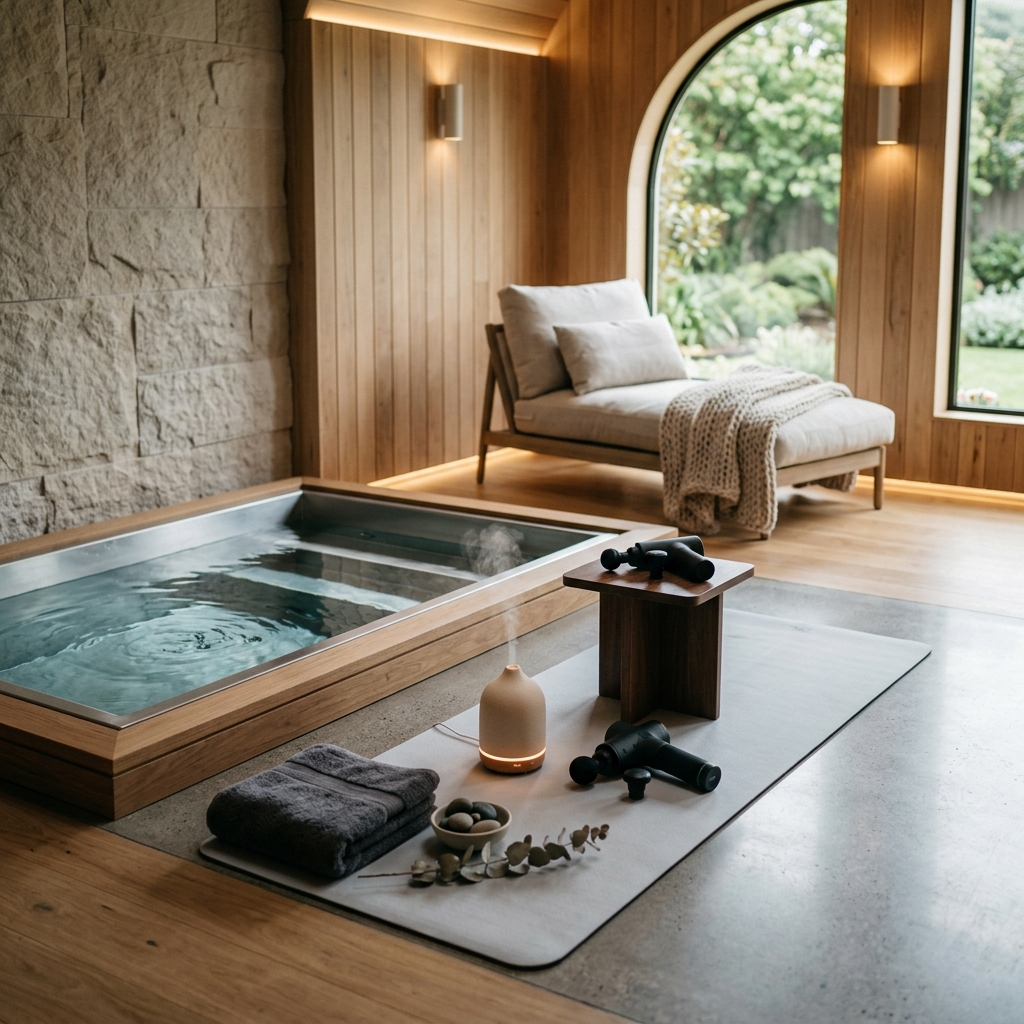
- Ice Baths/Cold Plunges: For the more advanced, immerse yourself in cold water (40-50°F / 4-10°C) for 3-10 minutes post-workout. This also aids in reducing post-exercise muscle soreness.
3. Mindfulness, Meditation, and Gratitude Practices
The brain and the **vagus nerve** are intimately linked. Practices that promote mental calm and focus directly enhance **vagal tone**.
- Meditation: Even 10-15 minutes of daily guided meditation can significantly improve **HRV** and reduce perceived stress. Apps like Headspace or Calm offer excellent starting points.
- Gratitude Journaling: Consciously focusing on positive experiences and expressing gratitude has been shown to shift neural pathways, activate the **PNS**, and improve overall well-being.
4. Gargling and Humming
Believe it or not, these simple actions can directly stimulate the **vagus nerve**. The nerve passes through the vocal cords and the muscles at the back of the throat.
- Vigorous Gargling: Gargle water for 30-60 seconds, several times a day, especially when feeling stressed or needing to calm down.
- Humming or Chanting: Producing a deep, resonant hum (like "OM") vibrates the vocal cords and stimulates the **vagus nerve**.
5. Targeted Movement and Active Recovery
While intense training activates the **SNS**, gentle, mindful movement can activate the **PNS** and promote blood flow, aiding in nutrient delivery and waste removal.
- Yoga and Tai Chi: These practices combine mindful movement with controlled breathing, directly promoting **vagal tone**.
- Light Walking/Cycling: Low-intensity aerobic activity post-workout or on active recovery days helps clear metabolic byproducts and reduces muscle stiffness.
For a deeper dive into the science of active recovery and fatigue management, esteemed neuroscientist Dr. Andrew Huberman offers invaluable insights on these topics. His research emphasizes the importance of understanding the physiological underpinnings of recovery.
6. Strategic Nutrition and Supplementation
The **gut-brain axis** is a two-way street, heavily influenced by the **vagus nerve**. A healthy gut **microbiome** directly impacts **vagal tone** and overall health.
- Probiotics and Prebiotics: Incorporate fermented foods (kimchi, sauerkraut, kefir) or high-quality **probiotic** supplements like **Garden of Life RAW Probiotics** to support a diverse gut **microbiome**. Prebiotic fibers (from fruits, vegetables, whole grains) feed beneficial gut bacteria.
- Omega-3 Fatty Acids: Found in fatty fish, flaxseeds, and supplements like **Nordic Naturals Ultimate Omega**, **omega-3 fatty acids** are powerful anti-inflammatory agents that also support neural health and **vagal tone**.
- Hydration: Adequate hydration is foundational for all physiological processes, including nerve function. Ensure consistent intake of water throughout the day.
While these specific supplements can support the **gut-brain axis**, it’s crucial to remember that foundational nutritional principles, as advocated by experts like Dr. Layne Norton, remain paramount. Prioritizing caloric balance, sufficient protein intake (e.g., using **Optimum Nutrition Gold Standard Whey**), and micronutrient density will always be the bedrock of effective recovery.
7. Biofeedback and Technology Integration
Beyond passive tracking of **HRV**, advanced biofeedback techniques can directly train **vagal tone**.
- HRV Biofeedback: Devices or apps that provide real-time feedback on your **HRV** can teach you to consciously influence your **ANS** through breathing and focus.
- Dedicated Vagal Stimulators: While still largely clinical, transcutaneous **vagus nerve** stimulation (tVNS) devices are emerging, offering non-invasive electrical stimulation to the **vagus nerve** via the ear. Consult a medical professional before considering such devices.
Integrating Vagal Strategies: A Sample Daily Protocol
To truly harness the power of your **vagus nerve**, consistency is key. Here's a sample daily protocol integrating these strategies:
| Time of Day | Vagal Activation Strategy | Benefit to Recovery |
|---|---|---|
| Morning (Post-Wake) |
5-10 minutes of Box Breathing 30-60 seconds of cold shower exposure |
Sets parasympathetic tone for the day, improves focus. Enhances vagal tone, increases alertness, reduces inflammation. |
| Pre-Workout |
5 minutes of diaphragmatic breathing |
Calms pre-performance anxiety, optimizes oxygen uptake, enhances focus. |
| Post-Workout |
10-15 minutes of light active recovery (e.g., walking or foam rolling) Replenish with quality protein (e.g., **Optimum Nutrition Gold Standard Whey**) and carbs. |
Facilitates metabolic waste removal, gently shifts ANS towards PNS. Provides building blocks for muscle repair and **glycogen resynthesis**, supports gut health. |
| Throughout Day |
Vigorous gargling (2-3 times) Mindful sips of water from a quality insulated bottle to stay hydrated. Occasional deep humming |
Direct vagal stimulation, quick stress reset. Supports all bodily functions, including nerve signal transmission. Gentle, sustained vagal stimulation. |
| Evening (Pre-Sleep) |
10-15 minutes of guided meditation or gratitude journaling 5-10 minutes of slow, diaphragmatic breathing |
Reduces cognitive arousal, promotes mental calm for restorative sleep. Optimizes sleep onset and quality by maximizing PNS dominance. |
Beyond the Vagus: A Holistic Approach to Readiness
While mastering your **vagus nerve** is a potent recovery hack, it’s crucial to emphasize that it’s not a standalone solution. It integrates into a broader, holistic framework for peak performance and adaptation. Fundamental principles of training, nutrition, and lifestyle remain paramount.
Consistent application of **progressive overload**, smart periodization, and appropriate training volume are non-negotiable for driving adaptations like **hypertrophy** and strength. Experts like Dr. Mike Israetel from Renaissance Periodization consistently advocate for a scientific, structured approach to training volume and intensity to maximize **muscle growth** and minimize overtraining. The **vagus nerve** strategies discussed here enhance your body's ability to recover from these demanding stimuli, allowing you to tolerate and adapt to higher training loads more effectively.
Similarly, adequate sleep (7-9 hours of quality sleep), a nutrient-dense diet, and stress management techniques (beyond just vagal stimulation) form the bedrock of recovery. Think of **vagus nerve** hacking as the advanced software update for your body's operating system, allowing it to run all its programs – from **protein synthesis** to cognitive function – with greater efficiency and resilience.
Conclusion: Unlock Your Unparalleled Readiness
The pursuit of athletic excellence is a journey of continuous adaptation. By delving into the sophisticated mechanisms of the **Autonomic Nervous System** and consciously engaging the profound power of the **vagus nerve**, you gain a distinct advantage. This isn't about magical fixes; it's about leveraging innate physiological pathways to optimize your body's capacity for repair, growth, and stress resilience.
Integrating deliberate breathing, cold exposure, mindful practices, and targeted lifestyle adjustments will not only improve your **HRV** but will fundamentally shift your internal landscape. You'll experience faster recovery, reduced **inflammation**, enhanced digestive health, improved sleep quality, and a greater overall sense of calm and mental acuity. This neural reset empowers you to not just bounce back, but to spring forward, ready to conquer your next challenge with unparalleled readiness and sustained vigor. Start hacking your **vagus nerve** today, and unlock a new dimension of recovery and performance.