Nocturnal Nourishment
Fueling Your Gains While You Dream: The Science of Pre-Sleep Muscle Repair
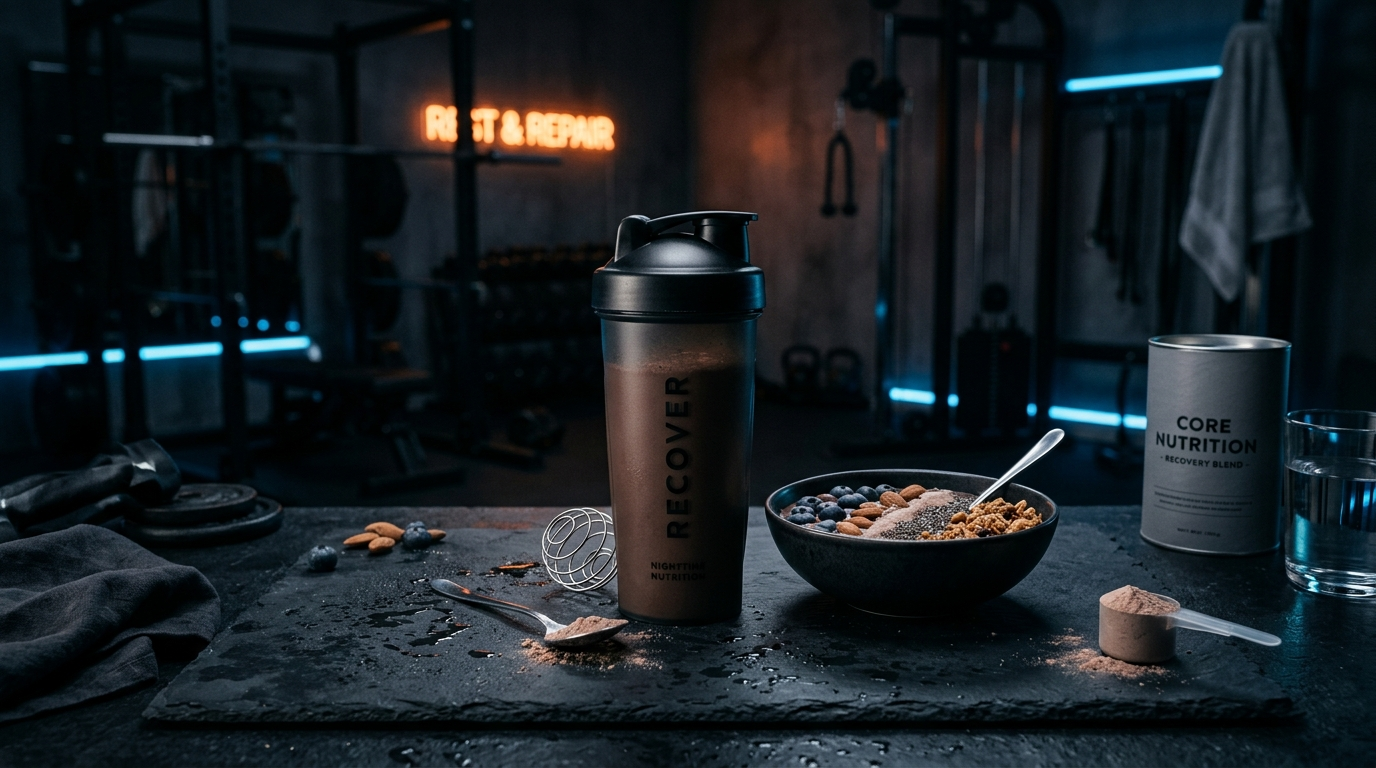
In the relentless pursuit of peak physical performance and sculpted musculature, the emphasis is often placed squarely on the hours spent in the gym, meticulously executing sets and reps, or the waking moments dedicated to nutrient-dense meal preparation. However, an often-underestimated, yet profoundly critical, phase of muscle growth and repair occurs during a state of complete repose: sleep. Far from being a mere period of dormancy, sleep is an intricately orchestrated symphony of physiological processes, a nocturnal crucible where the raw materials supplied by strategic nutrition are forged into tangible gains. This deep dive into "Nocturnal Nourishment" will meticulously unpack the science behind optimizing your pre-sleep dietary choices to maximize muscle protein synthesis, accelerate recovery, and ultimately, amplify your athletic aspirations while you peacefully dream.
The Somatic Science of Sleep-Driven Anabolism
To truly appreciate the power of pre-sleep nutrition, one must first understand the complex interplay of hormones and metabolic pathways active during sleep. Sleep is not a uniform state; it progresses through distinct stages, each influencing recovery in unique ways. Deep sleep, specifically slow-wave sleep (SWS), is particularly vital. It is during this phase that the body orchestrates its most significant anabolic responses. The pituitary gland, a master endocrine regulator, ramps up the secretion of **Growth Hormone (GH)**, a potent anabolic hormone crucial for tissue repair, cellular regeneration, and fat metabolism. Concurrently, levels of catabolic hormones like **cortisol** typically decrease, shifting the body into a more favorable anabolic state where muscle protein breakdown is minimized, and synthesis is prioritized.
The physiological mechanisms underpinning muscle repair and adaptation are profoundly intricate. During resistance training, muscle fibers incur microscopic damage, triggering a cascade of inflammatory and regenerative responses. This damage, paradoxically, is the stimulus for growth. For growth to occur, the rate of **muscle protein synthesis (MPS)** must exceed the rate of **muscle protein breakdown (MPB)** over extended periods. Sleep provides a prolonged window—typically 6-9 hours—during which the body can dedicate significant resources to this crucial repair process, provided the necessary building blocks are available. Without adequate protein intake before sleep, the body may enter a state where MPB dominates, potentially blunting gains and extending recovery times. As Dr. Mike Israetel of Renaissance Periodization frequently emphasizes in his detailed discussions on **hypertrophy** and muscle growth science, optimizing all factors, including sleep and nutrition, is paramount for maximizing anabolic signaling.
Strategic Nutrient Timing: The Pre-Sleep Advantage
The rationale for pre-sleep nutrient timing is rooted in the concept of providing a sustained supply of amino acids to fuel MPS throughout the nocturnal recovery period. Unlike other times of the day, when meals are often consumed every few hours, the several-hour fast during sleep represents a significant opportunity cost if not mitigated by a slowly digesting nutrient source. Research has unequivocally demonstrated that consuming protein prior to sleep can effectively elevate plasma amino acid concentrations and stimulate MPS rates during overnight sleep. This makes the final meal of the day not just another caloric intake, but a critical strategic intervention.
"The sustained release of amino acids from a strategically chosen protein source before sleep acts as a biochemical drip-feed, ensuring that your muscles have the raw materials to rebuild, repair, and grow throughout the night, transforming a period of potential catabolism into a powerful anabolic window." - Dr. Anya Sharma, PhD, RDN
The Macronutrient Blueprint for Nighttime Gains
While all macronutrients play a role, their specific functions and optimal forms change when considering pre-sleep consumption.
Protein: The Cornerstone of Nocturnal Anabolism
The undisputed king of pre-sleep nutrition is protein, specifically a slow-digesting variety. **Casein protein** stands out due to its unique coagulation properties in the stomach, forming a gel-like bolus that releases amino acids gradually over several hours. This sustained release makes it ideal for preventing a net negative protein balance during sleep. A robust dose, typically 30-40 grams, ensures adequate amino acid availability. Reputable brands like **Optimum Nutrition Gold Standard 100% Casein Protein** offer high-quality, micellar casein that has been shown in studies to effectively support overnight MPS. The amino acid profile of casein is rich in **leucine**, the primary trigger for the **mTOR pathway**, a critical signaling cascade for muscle growth.
While casein is superior for overnight delivery, a blend of whey and casein can also be effective, offering an initial rapid spike of amino acids from whey, followed by the sustained release from casein. For plant-based athletes, a blend of pea and rice protein can mimic the complete amino acid profile and provide a more sustained release than single-source plant proteins, though the digestive kinetics may differ slightly from casein.
Carbohydrates: Fueling Recovery and Hormonal Harmony
The inclusion of carbohydrates pre-sleep is often debated, but it can be highly beneficial, particularly for athletes engaged in intense training. Carbohydrates serve several crucial roles: replenishing muscle and liver glycogen stores, which can be depleted after strenuous exercise, and supporting healthy sleep. A moderate intake of complex carbohydrates (e.g., oats, sweet potato, whole grains) or even a small amount of simple carbohydrates (e.g., a banana, honey) can provide a steady energy source without causing digestive distress. Furthermore, carbohydrate intake can modulate insulin levels, which, in moderation, can be anti-catabolic and aid in the transport of amino acids and the precursor **tryptophan** into the brain, potentially improving sleep quality. For insights into the delicate balance of **nutrition** and **caloric balance**, Dr. Layne Norton provides excellent scientific perspectives.
Fats: Satiety, Absorption, and Hormone Support
While fats are not directly anabolic in the same way as protein, their inclusion in a pre-sleep meal can provide sustained satiety, slow the digestion of other macronutrients, and support overall hormonal balance. Opt for healthy, unsaturated fats such as those found in avocados, nuts, seeds, or a small serving of nut butter. These fats also contribute to the absorption of fat-soluble vitamins and provide a dense source of energy. However, excessive fat intake pre-sleep can potentially delay gastric emptying and lead to digestive discomfort, so moderation is key.
Micronutrients and Ergogenic Aids: Enhancing the Nocturnal Symphony
Beyond macronutrients, several micronutrients and supplements can further optimize the nighttime recovery process.
Magnesium and Zinc: The Sleep and Anabolism Nexus
**Magnesium** is an essential mineral involved in over 300 enzymatic reactions, including protein synthesis, muscle and nerve function, blood glucose control, and blood pressure regulation. Crucially, it plays a vital role in sleep regulation, promoting relaxation and mitigating insomnia. Many athletes are deficient in magnesium due to increased excretion through sweat and higher metabolic demands. Supplementing with a bioavailable form like **Thorne Research Magnesium Bisglycinate** can improve sleep quality, reduce muscle cramps, and indirectly support recovery. **Zinc** is another critical mineral, involved in immune function, protein synthesis, and testosterone production. Deficiencies can impair these vital processes.
ZMA: A Synergistic Approach
Often found as a synergistic blend, ZMA combines Zinc Monomethionine Aspartate, Magnesium Aspartate, and Vitamin B6. This combination is theorized to optimize sleep quality and support natural testosterone levels, which are crucial for muscle repair and growth. While direct evidence for ZMA's impact on muscle growth in well-fed, non-deficient individuals is mixed, its potential to improve sleep quality in those with deficiencies can indirectly contribute to better recovery.
Creatine: Sustaining Cellular Hydration and Performance
While typically associated with pre-workout or post-workout timing, consistent daily **creatine** supplementation provides long-term benefits for strength, power, and cellular hydration. There's no specific need to take creatine right before bed, but including it as part of your overall daily intake, perhaps with your pre-sleep shake, is perfectly acceptable. Brands like **Transparent Labs Creatine HMB** offer high-quality creatine monohydrate combined with HMB for potential synergistic effects on recovery and muscle preservation. Creatine increases phosphocreatine stores, which are vital for rapid ATP regeneration, bolstering performance in subsequent training sessions.
Omega-3 Fatty Acids: The Anti-Inflammatory Edge
The powerful anti-inflammatory properties of **Omega-3 fatty acids**, particularly EPA and DHA, can play a significant role in reducing exercise-induced muscle soreness and inflammation. By modulating inflammatory pathways, Omega-3s can accelerate recovery and potentially enhance the overall anabolic environment. Brands like **Nordic Naturals Ultimate Omega** provide high-potency, purified Omega-3 supplements. While not strictly a pre-sleep supplement, incorporating it with your evening meal can support systemic health and recovery.
Sample Nocturnal Nourishment Protocols
Here are a few structured examples of pre-sleep meals or shakes, designed to provide sustained nutrient release and support overnight recovery:
| Protocol | Components & Rationale |
|---|---|
| Classic Anabolic Shake |
|
| Muscle & Carb Replenisher |
|
| Vegan Nighttime Boost |
|
These protocols are flexible and should be adapted to individual caloric needs, dietary preferences, and training intensity. The goal is to provide a balanced intake of protein, complex carbohydrates, and healthy fats that are easily digestible and provide a sustained nutrient drip throughout the night.
Addressing Common Concerns: Nocturnal Caloric Intake
A common apprehension regarding pre-sleep nutrition is the fear of gaining body fat by eating late at night. This concern often stems from a misunderstanding of **thermodynamics** and energy balance. Fundamentally, body fat accretion is a function of consistent caloric surplus over time, irrespective of the timing of those calories. If your total daily caloric intake matches your expenditure, or is within a carefully managed surplus for muscle growth, consuming calories before bed will not inherently lead to fat gain. In fact, by fueling muscle repair, you're potentially supporting a higher metabolic rate in the long run. The key is to integrate your pre-sleep meal into your overall daily macro and caloric targets. For individuals aiming for **progressive overload** in their training, as advised by coaches like Jeff Nippard, ensuring adequate fuel intake, even at night, is crucial for recovery and performance.
Another concern is digestive comfort. To mitigate this, avoid excessively large meals or foods high in saturated fat or fiber immediately before bed. Prioritize easily digestible protein sources like casein shakes or cottage cheese, and moderate amounts of complex carbohydrates. Listen to your body and adjust accordingly.
The Holistic Approach to Recovery: Beyond the Plate
While nocturnal nourishment is a powerful tool, it is one component of a broader recovery strategy. Optimal recovery also encompasses excellent sleep hygiene, stress management, and active recovery techniques. Dr. Andrew Huberman, a renowned neuroscientist, frequently highlights the critical importance of sleep and various **active recovery** and **fatigue science** strategies for mental and physical restoration. Ensuring a cool, dark, quiet sleep environment, maintaining a consistent sleep schedule, and minimizing blue light exposure before bed are non-negotiable for maximizing the anabolic benefits of sleep.
Moreover, consistent, intelligent training remains the primary stimulus for growth. As experts like Jeff Cavaliere of Athlean-X demonstrate in his guides on topics such as **shoulder training and injury prevention**, proper exercise technique and progressive overload are foundational. Nocturnal nourishment simply amplifies the body's ability to respond to that stimulus.
Conclusion: Dream Big, Grow Bigger
The hours you spend in slumber are not a pause in your fitness journey; they are an integral, often overlooked, chapter in the story of your gains. By strategically incorporating nocturnal nourishment into your regimen, you empower your body with the essential resources to optimize muscle protein synthesis, accelerate repair, and cultivate a potent anabolic environment while you rest. The science is clear: a well-timed, nutrient-dense pre-sleep meal, particularly one rich in slow-digesting protein like casein, coupled with supportive micronutrients and good sleep hygiene, can transform your nights into periods of profound growth and recovery. So, as the day winds down, embrace the power of nocturnal nourishment. Fuel your gains while you dream, and wake up one step closer to your peak physical potential.