Postbiotic Power: The Gut's Secret Weapon
Beyond probiotics: Unpacking the metabolite marvels from your microbiome that optimize muscle, recovery, and overall performance.

In the relentless pursuit of peak physical performance, athletes, bodybuilders, and fitness enthusiasts meticulously dissect every facet of their training and nutrition. We optimize macronutrient ratios, calibrate training volume and intensity, and meticulously track recovery metrics. Yet, an often-overlooked, microscopic universe within us holds profound implications for our gains: the gut microbiome. While the benefits of probiotics and prebiotics have permeated mainstream fitness discourse, a new frontier in gut health science is emerging – one that promises to unlock previously untapped reservoirs of strength, accelerate recovery, and sharpen focus. Welcome to the era of postbiotics, the true 'secret weapons' synthesized by your internal ecosystem.
Beyond simply introducing beneficial bacteria (probiotics) or feeding them (prebiotics), postbiotics represent the potent, biologically active metabolites that these microorganisms produce. These are the unsung heroes, the molecular marvels that directly interact with our physiology, influencing everything from **muscle protein synthesis** and **glucose metabolism** to systemic inflammation and neurological function. This article delves deep into the scientific underpinnings of postbiotics, unpacking their intricate mechanisms and revealing how these microbial byproducts can revolutionize your approach to muscle growth, expedited recovery, and an overall enhancement in athletic performance. Prepare to move beyond the live microbes and discover the power of their potent metabolic legacy.
What Exactly Are Postbiotics? Deconstructing the Microbiome's Output
To truly appreciate the significance of postbiotics, we must first establish a clear scientific definition. According to the International Scientific Association for Probiotics and Prebiotics (ISAPP), a postbiotic is defined as "a preparation of inanimate microorganisms and/or their components that confers a health benefit on the host." This definition is crucial: unlike probiotics, which are live microorganisms, postbiotics are non-viable (inanimate) and comprise either the dead microbial cells themselves or, more commonly, the array of functional metabolites they produce during their metabolic processes. These metabolites are the active compounds that directly exert beneficial effects on the host.
The spectrum of postbiotic compounds is remarkably diverse and complex, including but not limited to **short-chain fatty acids (SCFAs)** like butyrate, acetate, and propionate; various enzymes; specific peptides; peptidoglycan-derived muropeptides; teichoic acids; exopolysaccharides; cell wall components; functional proteins; and even certain vitamins (e.g., B vitamins, vitamin K). These substances are the result of the intricate biochemical interactions within your gut, where commensal bacteria ferment dietary fibers and other complex carbohydrates that our own digestive enzymes cannot break down. This fermentation process is not merely a waste disposal mechanism; it is a sophisticated biochemical factory producing compounds with far-reaching physiological implications.
"The gut is not just a digestive organ; it's a metabolic powerhouse, constantly churning out signaling molecules that communicate with virtually every system in the body. Postbiotics are the direct messengers of this intricate dialogue." - Anya Sharma, RD
The Biochemistry of Performance: Postbiotics and Muscle Anabolism
For anyone committed to optimizing physical performance, the term **anabolism** is paramount. It refers to the metabolic processes that construct molecules from smaller units, such as building muscle protein from amino acids. Postbiotics play a surprisingly direct role in supporting these anabolic processes, impacting muscle growth and repair at a cellular level.
Short-Chain Fatty Acids (SCFAs) as Metabolic Modulators
The most well-researched postbiotics are the SCFAs: butyrate, acetate, and propionate. These are produced in significant quantities when gut bacteria ferment dietary fiber. While widely known for their role in colon health, their systemic effects extend far beyond. Butyrate, in particular, serves as the primary energy source for colonocytes and plays a critical role in maintaining the integrity of the intestinal barrier, preventing the dreaded "leaky gut" syndrome which can lead to systemic inflammation and impair nutrient absorption.
More directly relevant to muscle anabolism, SCFAs, particularly butyrate, have been shown to influence key signaling pathways. Research suggests that butyrate can modulate the **mTOR pathway (mammalian Target of Rapamycin)**, a central regulator of cell growth, proliferation, and protein synthesis. Activation of mTOR is crucial for **hypertrophy**, the increase in muscle cell size. By potentially enhancing mTOR signaling, postbiotics could create a more favorable environment for muscle protein synthesis, leading to greater gains from your resistance training. Furthermore, SCFAs can influence insulin sensitivity, which is vital for efficient glucose uptake into muscle cells, providing the necessary fuel for intense workouts and recovery.
Beyond SCFAs: Bioactive Peptides and Enzyme Co-factors
Beyond SCFAs, the microbiome produces an array of other bioactive compounds. Certain beneficial bacteria synthesize essential amino acids and a spectrum of B vitamins (B1, B2, B3, B5, B6, B7, B9, B12) and vitamin K. These micronutrients are indispensable co-factors for numerous enzymatic reactions involved in energy metabolism, DNA synthesis, and protein synthesis. For instance, B vitamins are critical for converting carbohydrates into glucose (fuel) and for the metabolism of fats and proteins. An ample supply, potentially augmented by microbial synthesis, ensures that the body's energy production machinery runs optimally, supporting the high demands of rigorous training and subsequent muscle repair.
Accelerated Recovery: Dousing the Flames of Inflammation
Intense physical exertion inevitably leads to muscle damage and localized inflammation, critical processes for adaptation and growth but also responsible for **delayed onset muscle soreness (DOMS)** and impaired performance. Postbiotics emerge as powerful allies in managing this inflammatory response, accelerating recovery, and getting you back to peak performance faster.
Anti-inflammatory Mechanisms
One of the most compelling aspects of postbiotic function is their potent anti-inflammatory properties. SCFAs, particularly butyrate, exert direct immunomodulatory effects. They can inhibit histone deacetylases (HDACs), which can lead to changes in gene expression, reducing the production of pro-inflammatory cytokines such as TNF-α, IL-6, and IL-1β. These cytokines are key players in the systemic inflammatory response that follows strenuous exercise. By dampening this inflammatory cascade, postbiotics can mitigate muscle soreness, reduce recovery time, and potentially lower the risk of exercise-induced chronic inflammation.
The gut's barrier function, largely maintained by butyrate, is also critical. A robust intestinal barrier prevents the translocation of bacterial components (like lipopolysaccharides or LPS) into the bloodstream, which would otherwise trigger a widespread inflammatory response. By strengthening this barrier, postbiotics indirectly reduce systemic inflammation, thereby fostering a more conducive environment for muscle repair and recovery. Dr. Andrew Huberman, a neuroscientist and professor at Stanford School of Medicine, frequently discusses the interplay between stress, inflammation, and recovery, highlighting the importance of systemic well-being for optimal physiological repair, a concept deeply supported by the anti-inflammatory actions of postbiotics.
Oxidative Stress Mitigation
Beyond inflammation, intense exercise generates **reactive oxygen species (ROS)**, leading to oxidative stress, which can damage cellular components and impede recovery. Some postbiotics, or their precursors, demonstrate antioxidant properties. For example, certain microbial metabolites can enhance the body's endogenous antioxidant defense systems, such as glutathione synthesis. By neutralizing ROS and reducing oxidative damage, postbiotics contribute to faster cellular repair and improved muscle function post-exercise, allowing for quicker adaptation and readiness for the next training session.
Optimizing Performance: Fueling the Athlete Within
Performance isn't just about muscle and recovery; it encompasses energy levels, mental clarity, and the efficient utilization of nutrients. Postbiotics contribute significantly to these facets, providing a comprehensive boost to athletic capabilities.
Enhanced Nutrient Absorption and Bioavailability
A healthy gut environment, fostered by a robust population of beneficial bacteria and their postbiotic output, is fundamental for optimal nutrient absorption. Postbiotics, particularly SCFAs, contribute to a slightly acidic environment in the colon, which can enhance the absorption of crucial minerals like calcium, magnesium, and iron. These minerals are vital for bone health, muscle contraction, nerve function, and oxygen transport—all non-negotiables for peak performance. Furthermore, by improving the integrity of the gut lining, postbiotics ensure that digested nutrients are efficiently absorbed into the bloodstream rather than being lost or contributing to systemic issues. Dr. Layne Norton, known for his evidence-based approach to nutrition and metabolism, consistently emphasizes the importance of nutrient partitioning and absorption for muscle growth and performance, aligning perfectly with the facilitative role of postbiotics.
Gut-Brain Axis and Mental Fortitude
The intricate connection between the gut and the brain, known as the **gut-brain axis**, is a bidirectional communication highway influencing mood, cognition, and stress responses. Our gut microbes produce various neuroactive compounds, including neurotransmitters like serotonin and gamma-aminobutyric acid (GABA), as well as short-chain fatty acids that can cross the blood-brain barrier.
By modulating the production of these compounds, postbiotics can positively impact mental fortitude, reduce exercise-induced stress, and enhance focus during training and competition. A calmer, more focused mind can translate to better execution of complex movements, improved adherence to training protocols, and enhanced resilience in the face of physical and mental challenges. This cognitive edge, often overlooked, can be the deciding factor in pushing through plateaus or performing under pressure.
Integrating Postbiotics into Your Regimen: Practical Applications
Understanding the science is one thing; implementing it is another. While postbiotic research is still in its nascent stages compared to probiotics, there are actionable strategies to enhance your body's postbiotic production and potentially supplement directly.
Dietary Strategies for Boosting Endogenous Postbiotics
The most effective way to encourage your gut microbiome to produce more beneficial postbiotics is through your diet. A diet rich in diverse, fermentable fibers serves as the substrate for your beneficial bacteria. Think of these fibers as the raw materials for your internal postbiotic factory.
| Dietary Source Type | Specific Examples | Key Prebiotic Fibers / Benefits |
|---|---|---|
| Resistant Starch | Green bananas, cooked and cooled potatoes/rice, oats, legumes | Fermented into butyrate; improves insulin sensitivity. |
| Inulin & FOS (Fructooligosaccharides) | Garlic, onions, leeks, asparagus, chicory root, Jerusalem artichokes | Promotes bifidobacteria growth; increases SCFA production. |
| Pectins | Apples, berries, citrus fruits | Gel-forming fiber, supports beneficial gut bacteria. |
| Beta-glucans | Oats, barley, medicinal mushrooms | Immune modulating; fermented into SCFAs. |
| Polyphenols | Berries, dark chocolate, green tea, red wine, brightly colored vegetables | Act as prebiotics for certain bacteria; potent antioxidants. |
| Fermented Foods (indirectly) | Kimchi, sauerkraut, kefir, yogurt (choose unsweetened) | Introduce probiotics that can produce postbiotics in situ. |
Aim for a diverse intake of plant-based foods to cultivate a diverse microbiome. Incorporating a high-quality fiber supplement like NOW Foods Psyllium Husk or Garden of Life Raw Organic Fiber can also help ensure adequate daily fiber intake, especially for those struggling to meet recommendations through diet alone.
Supplementation: Navigating the Emerging Market
The market for direct postbiotic supplementation is growing. Products like EpiCor (a dried yeast fermentate) and CoreBiome (a tributyrin, or butyrate-delivering supplement) are examples of commercially available postbiotics designed to deliver specific benefits. These can be particularly useful for individuals with compromised gut health or those looking for a targeted intervention. When considering such supplements, prioritize brands with transparent sourcing, third-party testing, and scientific backing for their specific formulations. Brands like Thorne, Klaire Labs, and Pure Encapsulations are known for their high standards in the supplement industry. Remember, supplements are meant to complement a healthy diet and lifestyle, not replace them.
The Synergy with Training: A Holistic Approach
Postbiotics are not a magic bullet that negates the need for hard work and smart training. Instead, they represent a powerful, foundational support system. By optimizing your gut environment, you create a more efficient engine for nutrient utilization, a more robust recovery system, and a clearer mental state. This allows your body to better respond to the stresses of training, leading to superior adaptations.
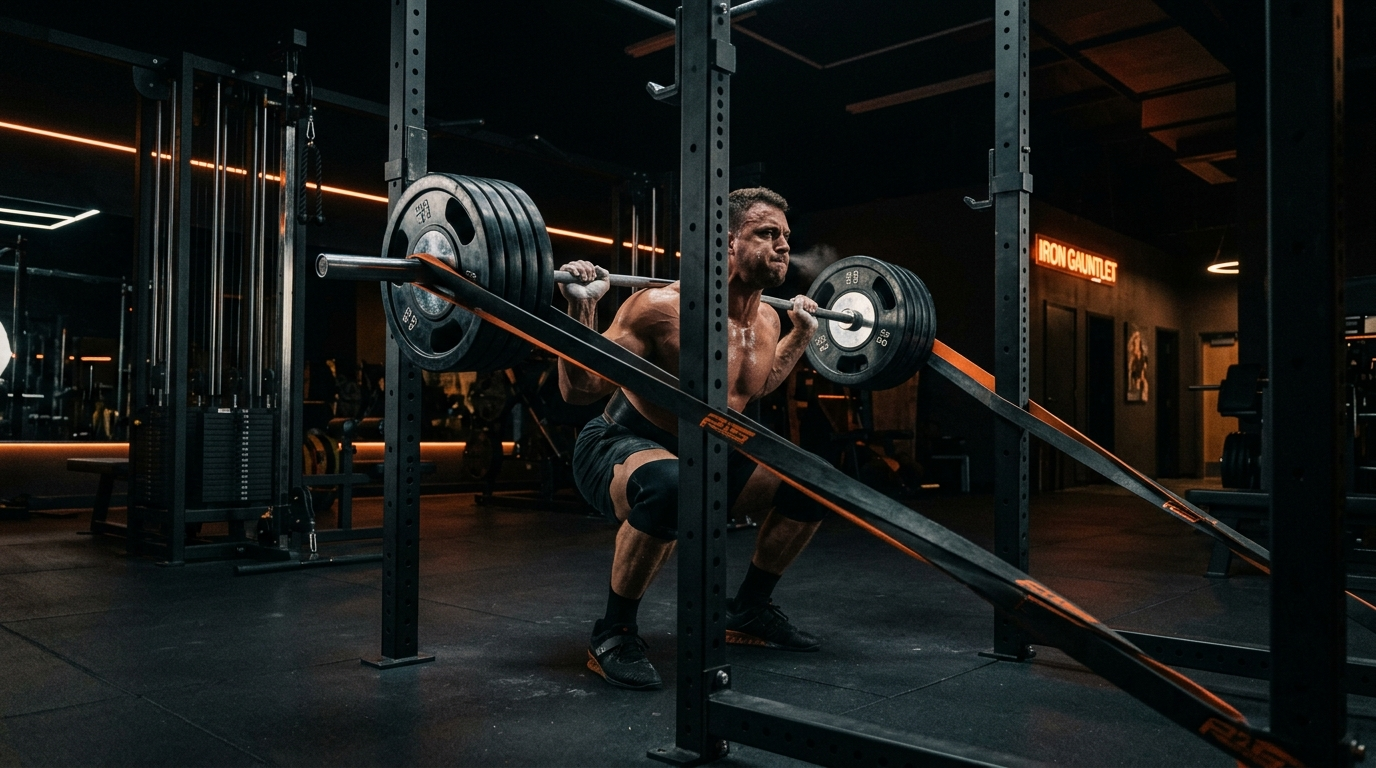
Consider the cornerstone lifts of any effective resistance program: the **squat**, the **bench press**, and the **deadlift**. These compound movements, when performed with proper form and **progressive overload**, are unparalleled for stimulating muscle growth and strength. The science of **hypertrophy**, as explained by experts like Dr. Mike Israetel of Renaissance Periodization, emphasizes stimulus, recovery, and adaptation. Postbiotics enhance the latter two, ensuring that the stimulus from a heavy set of squats using a **Rogue Fitness** barbell, or a challenging session in your **Nike Metcon** trainers, yields maximal results.
By integrating a postbiotic-friendly diet, and potentially targeted supplementation, alongside a well-designed training program and adequate rest, you are creating a truly holistic approach to performance optimization. This synergy ensures that every rep, every meal, and every hour of sleep contributes maximally to your fitness goals.
Conclusion: Unleashing Your Internal Powerhouse
The burgeoning science of postbiotics unequivocally positions them as crucial players in the intricate symphony of human physiology, offering profound implications for muscle, recovery, and overall performance. These microbial metabolites, often overlooked in the shadows of their probiotic progenitors, are direct communicators with our cells, influencing energy pathways, modulating inflammatory responses, and bolstering the critical gut-brain axis. From enhancing **mTOR signaling** for muscle protein synthesis to quelling systemic inflammation post-workout, the impact of postbiotics extends across the entire spectrum of athletic endeavor.
As we deepen our understanding of this fascinating frontier, it becomes clear that nurturing our gut microbiome is not just about digestive comfort; it is about activating an internal powerhouse capable of elevating our physical and mental capabilities to unprecedented levels. By prioritizing a diet rich in diverse fermentable fibers and exploring targeted postbiotic supplementation, you are not merely supporting your gut—you are investing in a more robust, resilient, and high-performing version of yourself. The gut's secret weapon is no longer a secret; it's a call to action to unlock your full potential.