The Science of Active Recovery
Why Sitting Still is Slowing Down Your Gains
We've all been there: a brutal leg day leaves you barely able to walk, so you spend the next 48 hours glued to your couch, treating any movement as a threat. While passive rest is essential for central nervous system recovery, completely immobilizing yourself is actually hindering your muscle repair, prolonging soreness, and stalling your athletic progression. The science of modern sports medicine is clear: movement is medicine, and structured active recovery is the key to unlocking faster turnaround times and superior adaptation.
Let’s dive deep into the physiological mechanisms of active recovery, analyzing how low-intensity movement alters your blood chemistry, clears cellular waste, and accelerates tissue remodeling.
1. The Physiology of Soreness: Understanding DOMS
To understand why active recovery works, we must first understand what happens to your muscles during intense training. Lifting heavy loads or performing explosive movements induces micro-tears in the muscle fibers (specifically the sarcolemma and Z-discs). This structural damage triggers an inflammatory response. Intracellular calcium leaks out, and immune cells (neutrophils and macrophages) migrate to the damaged site to begin repairs.
This process results in Delayed Onset Muscle Soreness (DOMS), which typically peaks 24 to 72 hours post-exercise. DOMS is not caused by lactic acid (which is cleared from the blood within an hour of training), but rather by the pressure and inflammatory cytokines sensitizing nociceptors (pain receptors) in the muscle tissue. Keeping these muscles static causes them to shorten and stiffen, increasing discomfort and restricting range of motion.
"Soreness is an inflammatory reaction to mechanical micro-tears, not a buildup of lactic acid. Static rest allows the tissue to shorten and stiffen, whereas active recovery maintains tissue length and accelerates clearing of inflammatory fluid."
2. Central vs. Peripheral Fatigue: The Recovery Split
Fatigue from training manifests in two forms: Central Nervous System (CNS) fatigue and Peripheral (muscular) fatigue. CNS fatigue involves a reduction in the voluntary activation of muscles due to changes in neurotransmitters (like dopamine, serotonin, and acetylcholine) in the brain and motor neurons. Passive rest, quality sleep, and stress management are the primary drivers of CNS recovery.
Peripheral fatigue, on the other hand, occurs within the muscle fibers themselves. It is characterized by local glycogen depletion, hydrogen ion accumulation (which lowers muscle pH and causes that burning sensation), and impaired calcium release inside the muscle cells. While your brain and spinal cord need quiet and sleep to recover, your peripheral muscles need blood flow to deliver the building blocks of repair. Active recovery bridges this gap: it stimulates peripheral recovery without adding to CNS exhaustion.
3. The Lymphatic Connection: The Body's Manual Pump
One of the most overlooked aspects of recovery is the lymphatic system. The lymphatic system is responsible for removing cellular debris, metabolic waste, and excess interstitial fluid from tissues. However, unlike your cardiovascular system, which has the heart to constantly pump blood, the lymphatic system has no central pump. It is entirely dependent on external pressure—specifically, the contraction of surrounding skeletal muscles—to push lymph fluid through its vessels.
When you lie on the couch, your lymphatic system slows to a crawl. Metabolic waste and fluid pool in your damaged muscles, causing swelling, stiffness, and increased pain. Low-intensity muscle contractions during active recovery act as a manual pump, accelerating lymphatic drainage. This flushes out cellular debris and delivers clean fluid to the area, significantly shortening the duration of DOMS.
4. Hyperemia and Nutrient Delivery
Low-intensity activity (maintaining 50% to 60% of your maximum heart rate) triggers local vasodilation—the widening of blood vessels. This creates a state of exercise-induced hyperemia, massively increasing local blood flow to the targeted muscles. This oxygenated blood carries essential nutrients, including amino acids for muscle protein synthesis, glucose to restore glycogen reserves, and minerals to maintain electrolyte balance.
Because the workload is kept light, this nutrient delivery occurs without placing additional mechanical tension or shear stress on the healing muscle fibers. You get all the benefits of high-velocity nutrient delivery without any of the structural damage associated with intense workouts.
5. Key Active Recovery Modalities
To implement active recovery effectively, utilize the following scientific modalities:
- Low-Intensity Steady State (LISS): 20 to 30 minutes of light cycling or brisk walking. Cycling is highly recommended because it is low-impact and lacks an eccentric (muscle-lengthening) phase, which prevents further muscle damage.
- Dynamic Mobility Flows: Performing controlled, full-range movement sequences (such as world's greatest stretches, deep lunges, and cat-cow rotations) lubricates the joints with synovial fluid and restores fascial sliding.
- Hydrotherapy and Contrast Baths: Alternating between hot water (inducing vasodilation) and cold water (inducing vasoconstriction) creates a vascular pumping action that flushes waste and reduces acute inflammation.
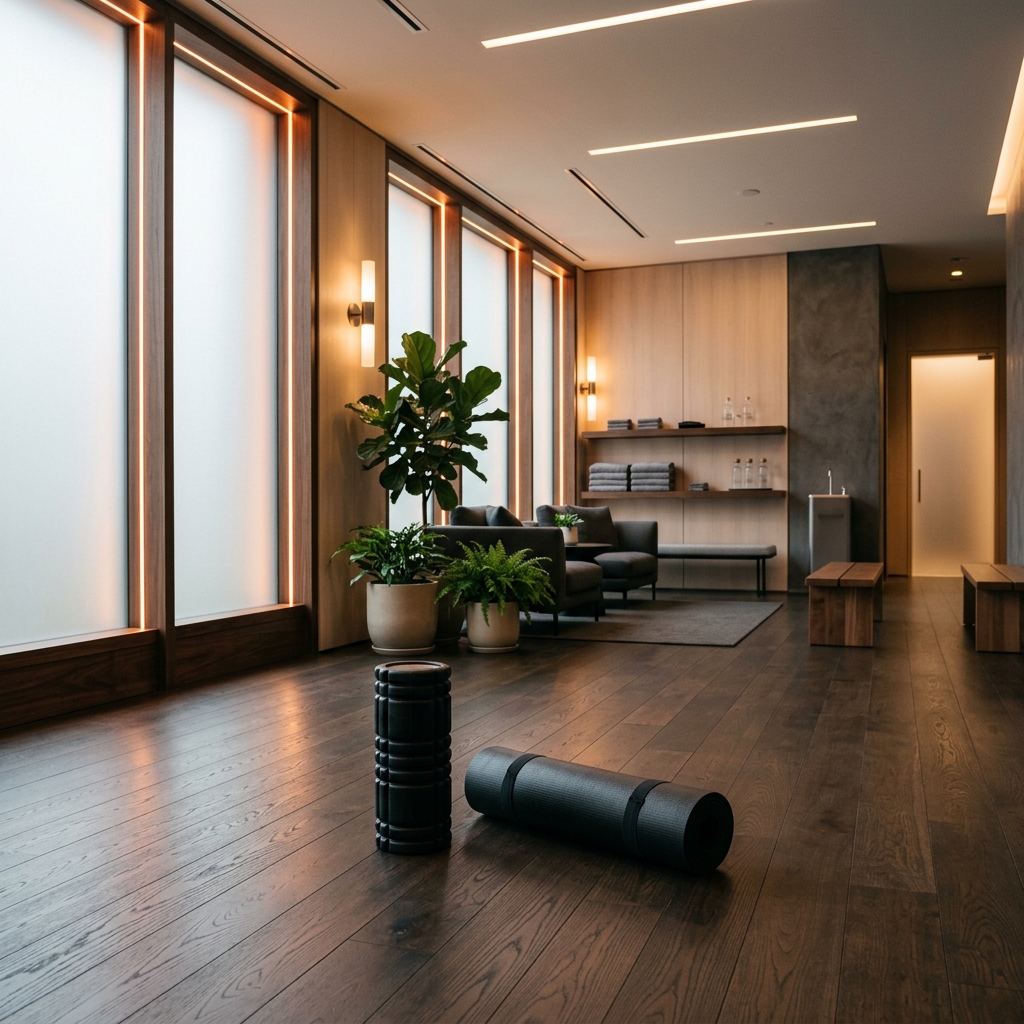
- Myofascial Release (Foam Rolling): Using a foam roller or massage ball to apply pressure to tight tissues stimulates mechanoreceptors, which sends signals to the nervous system to decrease muscle tone and relax stiff fibers.
The FLEX Weekly Active Recovery Matrix
A structured recovery protocol should be integrated directly into your training split. Below is a sample schedule for optimizing recovery on off-days:
| Day | Protocol | Target Intensity | Duration |
|---|---|---|---|
| Mid-Week Off Day | LISS Cycling + Dynamic Mobility Flow | 50-60% Max HR (Conversational) | 30-40 Minutes |
| Post-Leg Day | Light Incline Walk + Foam Rolling | Zone 1 Heart Rate | 20 Minutes |
| Weekend Recovery | Contrast Therapy (Sauna/Cold Plunge) | N/A (Vascular Shunt) | 3-4 Rounds (Hot/Cold) |
The Verdict
The next time you feel stiff, sore, and exhausted after a hard week of training, bypass the temptation to lie completely still. Off-days should be active days. By cycling, moving, and stretching, you activate the muscle pump, drain metabolic waste, and deliver recovery nutrients directly to damaged fibers. Move to heal, and you will return to the iron stronger, faster, and fully restored.