The Lymphatic Highway
Unclogging Your Body's Hidden Recovery System for Faster Gains & Less Soreness
In the relentless pursuit of peak physical performance, athletes and fitness enthusiasts meticulously optimize countless variables: periodized training protocols, precision macronutrient timing, advanced supplementation strategies, and biomechanically perfected movement patterns. Yet, a crucial, often overlooked, physiological highway operates beneath the surface, profoundly influencing recovery, immune function, and ultimately, the rate of adaptive progress. This silent workhorse is the **lymphatic system**, a complex network traditionally associated with immunity but increasingly recognized as a cornerstone of athletic recovery. As Dr. Kian Sharma, I aim to illuminate this hidden system, demonstrating how its optimal function is not merely a bonus, but a prerequisite for accelerated gains and significantly reduced post-exercise soreness.
The Lymphatic System: An Unsung Hero of Homeostasis
To truly appreciate the lymphatic system's role in the athletic context, we must first understand its intricate architecture and multifaceted functions. Far more than just a drainage system, it is an indispensable component of the circulatory and immune systems, operating in parallel with the blood vascular network. Unlike the cardiovascular system, which is propelled by the heart, the lymphatic system is a low-pressure, largely passive network that relies on extrinsic forces for its flow.
Anatomical & Physiological Architecture
The lymphatic system comprises a vast network of **lymphatic vessels**, **lymph nodes**, and specialized lymphoid organs, all interconnected to form a unidirectional conduit. Beginning as microscopic, blind-ended lymphatic capillaries nestled within interstitial tissues, these vessels collect excess interstitial fluid – now termed **lymph** – along with waste products, cellular debris, proteins, fats, and foreign particles. These capillaries merge into progressively larger collecting vessels, equipped with one-way valves similar to veins, which prevent backflow and ensure the unidirectional movement of lymph towards the circulatory system. These vessels are interspersed with hundreds of **lymph nodes**, small, bean-shaped structures concentrated in areas like the neck, armpits, and groin. Lymph nodes act as biological filtration centers, packed with immune cells such as lymphocytes (T-cells and B-cells) and macrophages, which meticulously screen the lymph for pathogens and cellular abnormalities before returning it to the bloodstream.
Beyond the vessels and nodes, key **lymphoid organs** contribute to lymphatic function and immune regulation. The **spleen**, a major lymphatic organ, filters blood, removes old red blood cells, and houses a significant reservoir of lymphocytes. The **thymus** is critical for the maturation of T-lymphocytes during childhood, and the **tonsils** and Peyer's patches (in the gut) provide localized immune surveillance. This intricate design ensures the continuous monitoring and purification of the extracellular environment, maintaining fluid homeostasis and orchestrating robust immune responses.
Core Functions Beyond Immunity
While its immunological role is widely acknowledged, the lymphatic system’s contributions to fluid balance and nutrient transport are equally vital, particularly for athletes. It is responsible for draining approximately 10-20% of the interstitial fluid that is not reabsorbed by the venous capillaries. Without this critical function, tissues would rapidly swell, leading to **edema** and impaired cellular function. Furthermore, the lymphatic system plays a unique role in the absorption and transport of dietary fats (specifically long-chain fatty acids) and fat-soluble vitamins from the digestive tract into the bloodstream via specialized lymphatic vessels called **lacteals**. In the context of performance, the efficient removal of metabolic byproducts and inflammatory mediators from muscle tissue is paramount for rapid recovery and adaptive signaling, a process heavily reliant on an optimally functioning lymphatic network.
"The lymphatic system is the often-unseen infrastructure that underpins cellular health and immune resilience. For athletes, optimizing its flow is akin to upgrading the sewage and waste disposal system of a high-performance city." - Dr. Kian Sharma
The Athlete's Lymphatic Burden: When Training Overwhelms the System
Intense physical training, whether it's heavy **strength training**, high-volume **endurance work**, or explosive **power development**, inherently generates a significant physiological burden. This burden manifests as microscopic damage to muscle fibers, an acute inflammatory response, and the accumulation of various metabolic byproducts. While these are necessary stimuli for adaptation and **hypertrophy** (as eloquently discussed by experts like Dr. Mike Israetel from Renaissance Periodization in his discussions on muscle growth), an overloaded lymphatic system can significantly impede the removal of these cellular debris and inflammatory cytokines, prolonging recovery and hindering performance.
Consider the cascade of events post-workout: muscle fibers undergo microtrauma, triggering an inflammatory response involving the release of cytokines and the infiltration of immune cells. Fluid shifts into the interstitial space, contributing to post-exercise swelling and perceived soreness, also known as **delayed onset muscle soreness (DOMS)**. The metabolic machinery, running at peak capacity, produces waste products like lactate and protons, and oxidative stress markers increase. An efficient lymphatic system is crucial for actively clearing this post-training "detritus." If the lymphatic flow is sluggish, these inflammatory mediators and waste products linger in the tissues, exacerbating soreness, extending recovery timelines, and potentially interfering with critical anabolic signaling pathways like the **mTOR pathway**.
Furthermore, chronic inflammation and impaired waste removal can compromise cellular nutrient delivery and oxygenation, creating an suboptimal environment for tissue repair and growth. This can lead to a vicious cycle: prolonged inflammation leads to poor recovery, which in turn impairs subsequent training performance, potentially increasing the risk of overtraining syndrome or even injury. Therefore, actively supporting your lymphatic system is not merely about comfort; it's about optimizing the physiological environment for consistent, progressive adaptation and reducing the likelihood of performance plateaus or setbacks.
Optimizing Your Lymphatic Highway: Practical & Scientific Strategies
Fortunately, athletes possess a powerful arsenal of strategies to enhance lymphatic function. These interventions, grounded in physiological principles, can significantly improve fluid dynamics, reduce inflammation, and accelerate the removal of metabolic waste, ultimately translating into faster recovery and superior gains. As Dr. Andrew Huberman frequently emphasizes in his discussions on active recovery and fatigue science, understanding and leveraging physiological levers is key to optimizing human performance.
1. Hydration & Targeted Nutrition
The very essence of lymph is fluid, making optimal hydration the foundational pillar of lymphatic health. Dehydration thickens lymph, slowing its flow and impairing its ability to collect interstitial fluid. Aim for consistent, adequate water intake throughout the day, significantly increasing it around training sessions. Electrolytes, such as sodium, potassium, and magnesium, are also crucial for maintaining fluid balance at the cellular level. Consider adding an electrolyte supplement like **LMNT Recharge** or **Precision Hydration** during intense training or hot conditions.
Beyond hydration, nutrition plays a direct role in modulating inflammation and providing the building blocks for repair. Focus on a diet rich in whole, unprocessed foods, emphasizing:
- **Antioxidants:** Berries, leafy greens, colorful vegetables protect cells from oxidative stress.
- **Omega-3 Fatty Acids:** Found in fatty fish (salmon, mackerel), flaxseeds, and walnuts, these possess potent anti-inflammatory properties. A high-quality fish oil supplement like **Nordic Naturals Ultimate Omega** can also be beneficial.
- **Phytonutrients:** Turmeric (containing curcumin), ginger, and green tea are well-known for their anti-inflammatory effects.
- **Adequate Protein:** Essential for tissue repair and immune function. Brands like **Optimum Nutrition Gold Standard 100% Whey** or **Myprotein Impact Whey Isolate** provide high-quality protein sources.
2. Movement & Active Recovery
Unlike the circulatory system with its central pump, the lymphatic system relies on skeletal muscle contractions, respiratory movements, and pulsatile arterial flow to propel lymph. This mechanism is known as the **lymphatic pump**. Therefore, regular, low-intensity movement is incredibly effective for stimulating lymphatic flow.
- **Low-Intensity Cardio:** A brisk walk, light cycling, or swimming session (20-30 minutes) on active recovery days significantly enhances lymphatic circulation without adding undue stress.
- **Dynamic Stretching & Mobility Drills:** Movements that gently compress and decompress muscle groups can help milk lymph through the vessels. Incorporate exercises like leg swings, arm circles, cat-cow stretches, or dedicated yoga flows.
- **Specific Exercise Techniques:** Even during your main lifts, understanding biomechanics can aid lymphatic flow. For instance, the controlled eccentric phase of a squat or deadlift, followed by a powerful concentric contraction, creates significant muscle pump action. Coaches like Jeff Nippard and Jeremy Ethier frequently break down the biomechanics of effective training, which indirectly supports optimal fluid dynamics through controlled movement.
3. Manual Lymphatic Drainage (MLD) & Self-Massage
Targeted external compression and manipulation can directly facilitate lymph movement. This includes both professional therapies and self-administered techniques.
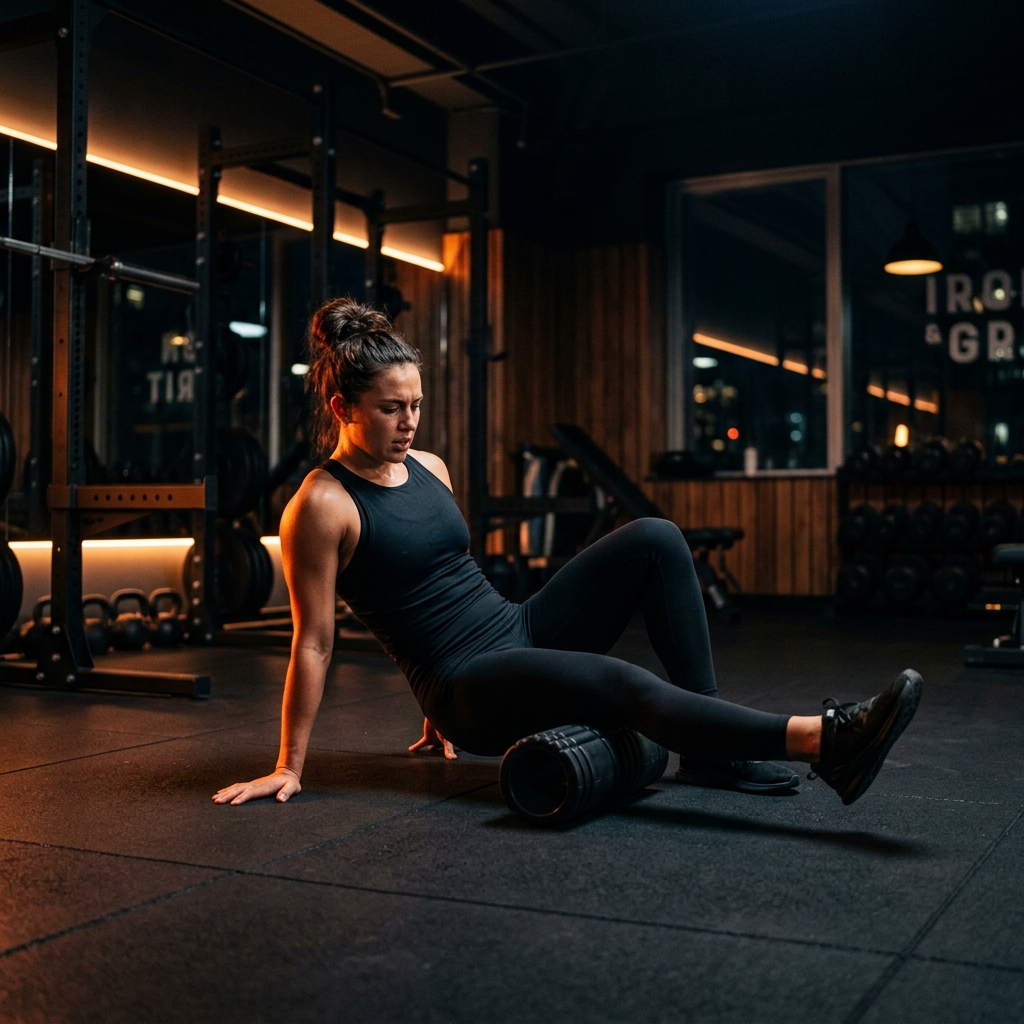
- **Foam Rolling:** Using tools like a **Rogue Fitness Foam Roller** or a **Therabody Wave Roller** can provide deep tissue compression, helping to push fluid through congested areas and break up fascial adhesions. Focus on major muscle groups, rolling slowly and deliberately, especially over areas prone to post-exercise soreness like quadriceps, hamstrings, glutes, and upper back.
- **Massage Guns:** Devices like the **Theragun Pro** or **Hypervolt Go** utilize percussive therapy to stimulate blood flow and provide deep tissue massage. While not direct MLD, the vibration and pressure can help reduce muscle stiffness and encourage fluid movement. Use them on sore muscles for 30-60 seconds per area.
- **Dry Brushing:** A gentle technique using a stiff-bristled brush on dry skin, typically in long strokes towards the heart. This is believed to stimulate surface lymphatic flow and exfoliate the skin.
- **Compression Garments:** High-quality compression socks, sleeves, or full-body garments (e.g., from **2XU** or **SKINS**) can provide graduated pressure, aiding venous return and lymphatic flow, particularly after intense workouts or during prolonged travel.
- **Professional Manual Lymphatic Drainage:** For significant post-surgical swelling or chronic lymphatic issues, a certified MLD therapist can perform specialized, gentle techniques to reroute lymph flow.
4. Breathwork & Stress Management
The diaphragm, our primary muscle of respiration, acts as a powerful internal lymphatic pump. Deep, diaphragmatic breathing creates pressure changes within the thoracic and abdominal cavities, which literally "suck" lymph upwards through the thoracic duct, the largest lymphatic vessel. Incorporate dedicated diaphragmatic breathing exercises for 5-10 minutes daily, or whenever you feel stressed. Techniques taught in yoga or mindfulness practices are excellent for this.
Chronic stress, through the persistent release of stress hormones like cortisol, can suppress immune function and exacerbate inflammation, placing an additional burden on the lymphatic system. Practices such as meditation, mindfulness, spending time in nature, or engaging in hobbies can significantly mitigate stress and, by extension, support lymphatic health.
5. Sleep & Rest
Sleep is a non-negotiable component of recovery, and its importance for waste clearance extends beyond the musculoskeletal system. During deep sleep, the brain’s own waste clearance system, the **glymphatic system**, becomes significantly more active. The glymphatic system, a lymphatic-like pathway specific to the central nervous system, facilitates the removal of metabolic byproducts, including amyloid-beta proteins. While distinct from the peripheral lymphatic system, its increased activity during sleep underscores the body's global commitment to waste removal during periods of rest. Prioritize 7-9 hours of high-quality sleep nightly to allow these critical restorative processes to occur unimpeded. Optimize your sleep environment with tools like blackout curtains, a comfortable mattress (e.g., **Saatva Classic**), and a consistent sleep schedule.
Integrating Lymphatic Support into Your Training Protocol
The key to harnessing the power of your lymphatic system lies in consistent, thoughtful integration of these strategies into your daily and weekly routine. This isn't about adding more "work," but rather optimizing recovery by incorporating simple, effective habits.
| Timeframe | Activity for Lymphatic Support | Specific Recommendations |
|---|---|---|
| Daily (Morning) | Hydration, Light Movement, Breathwork | Start with 500-750ml water. 5-10 min diaphragmatic breathing. Light stretching or dynamic mobility drills. |
| Pre-Workout | Dynamic Warm-up, Hydration | 5-10 min dynamic warm-up to activate muscles and increase heart rate. Hydrate with water/electrolytes. |
| Post-Workout | Cool-down, Self-Massage, Nutrition, Hydration | 5-10 min light cardio cool-down. Foam rolling (e.g., **Rogue Fitness Foam Roller**) or massage gun (e.g., **Theragun Pro**) on worked muscles. Protein shake (e.g., **Optimum Nutrition Gold Standard**) and high-quality carbohydrates. Rehydrate thoroughly. |
| Active Recovery Days | Low-Intensity Cardio, Mobility, Nutrition | 20-40 min brisk walk, cycle, or swim. Longer mobility session or yoga. Focus on anti-inflammatory nutrition and adequate protein. Consider compression garments (e.g., **2XU**) for prolonged periods. |
| Daily (Evening) | Stress Reduction, Sleep Preparation | Wind-down routine: reading, light stretching, meditation. Ensure 7-9 hours of quality sleep. |
| Weekly/Bi-Weekly | Holistic Review, Professional Support | Assess overall recovery. Consider a professional sports massage or MLD session if experiencing persistent soreness or swelling. Review supplement protocol (e.g., **Nordic Naturals Ultimate Omega**). |
This structured approach ensures that you are consistently supporting your body's innate recovery mechanisms. Remember, the goal is not to "fix" a broken system, but to optimize a naturally efficient one that is simply under increased demand due to the rigors of athletic training. By proactively addressing lymphatic health, you are setting the stage for more consistent **progressive overload**, reduced injury risk, and a significantly enhanced capacity for muscle growth and performance adaptation.
Conclusion: Unlock Your Recovery Potential
The lymphatic system, often relegated to the sidelines in discussions of athletic performance, emerges as a critical determinant of recovery and adaptive capacity. Its meticulous work in maintaining fluid balance, clearing metabolic waste, and orchestrating immune responses directly influences your ability to bounce back from intense training, minimize soreness, and unlock new levels of strength and endurance. By embracing a holistic approach that prioritizes hydration, nutrient-dense foods, consistent movement, targeted self-care, breathwork, and quality sleep, you empower your body's hidden highway to operate at peak efficiency. Unclogging your lymphatic system isn't just a recovery strategy; it's a fundamental investment in your long-term athletic health and an essential pathway to faster gains and a more resilient, higher-performing physique. Start nurturing your lymphatic highway today, and experience the profound difference it makes in your journey to peak physical excellence.