The Static Dynamo
Unlocking Isometric Power for Explosive Gains
In the intricate tapestry of human movement and athletic performance, dynamic contractions — concentric (muscle shortening) and eccentric (muscle lengthening) — often steal the spotlight. Yet, lurking in the often-overlooked realm of static exertion lies a profound, untapped reservoir of power: **isometric contractions**. For too long, isometrics have been relegated to the periphery of mainstream strength training, frequently misunderstood or dismissed as merely a rehabilitative tool. However, a deeper dive into the biomechanical and physiological underpinnings reveals that the strategic application of isometric training can serve as a potent catalyst for unlocking unprecedented levels of **explosive strength**, rate of force development (RFD), and robust muscular stability. As Dr. Elias Vance, I invite you to embark on an exhaustive exploration into the science of stillness, to understand how the "Static Dynamo" can revolutionize your training paradigm and propel you toward gains that are not only substantial but truly explosive.
The Unseen Architecture of Force: Unpacking Isometric Physiology
To truly appreciate the power of isometric training, one must first grasp the sophisticated physiological mechanisms at play when a muscle generates force without changing length. Unlike dynamic movements where muscle fibers shorten or lengthen, an isometric contraction involves the muscle exerting force against an immovable object or resisting the movement of a load, maintaining a constant joint angle. This seemingly simple act triggers a cascade of intricate neuromuscular adaptations.
Maximal Voluntary Contraction (MVC) and Motor Unit Recruitment
During an isometric effort, particularly a maximal voluntary contraction (MVC), the central nervous system (CNS) is compelled to recruit a significantly higher percentage of motor units, including the high-threshold **Type II fast-twitch muscle fibers**, which are intrinsically linked to power and explosiveness. This preferential recruitment of Type II fibers is a cornerstone of isometric training's efficacy for power development. Research indicates that isometrics can achieve near 100% motor unit activation, a feat often difficult to replicate consistently during dynamic movements, especially at lighter loads. This enhanced recruitment leads to a phenomenon known as post-activation potentiation (PAP), where the muscle fibers become more responsive to subsequent stimuli, thereby improving dynamic performance.
"The sustained, maximal effort characteristic of overcoming isometrics forces the nervous system to 'learn' how to fire more motor units simultaneously and more frequently, effectively supercharging the neural drive to the musculature. This is a direct pathway to enhanced explosive potential." - Dr. Elias Vance
Neural Adaptations: Rate Coding and Synchronization
Beyond mere recruitment, isometric training profoundly influences neural adaptations. It refines **rate coding**, which is the frequency at which motor neurons fire action potentials. Higher firing frequencies translate to greater force output. Simultaneously, isometrics promote greater **motor unit synchronization**, where multiple motor units fire in unison, leading to a more powerful, coordinated muscle contraction. These neural improvements are critical for accelerating the initial phase of any explosive movement, such as the drive out of the hole in a squat or the initial pull in a deadlift. As demonstrated in extensive research by experts like Jeff Nippard on optimizing lifting mechanics, precise neural control is paramount for maximizing force generation.
Angle-Specificity and the Force-Velocity Curve
One of the most powerful attributes of isometric training is its **angle-specificity**. Force gains from isometrics are primarily concentrated at or near the joint angle at which the contraction occurs. While this might seem like a limitation, it is, in fact, a precise tool. By targeting specific sticking points in dynamic lifts — those joint angles where mechanical disadvantage is highest — isometrics can build maximal strength precisely where it is most needed. This localized strength transfer directly impacts the **force-velocity curve**, shifting it upwards and to the right, meaning an athlete can produce greater force at any given velocity, or the same force at a higher velocity. This is the essence of explosiveness.
Categories of Isometric Training: Precision Tools for Power
Not all isometric contractions are created equal. They can be broadly categorized into distinct methods, each offering unique benefits for athletic development.
1. Yielding Isometrics (Holding Isometrics)
In yielding isometrics, the muscle holds a static position against a sub-maximal or maximal external load. The goal is to resist movement and maintain posture. Examples include holding the bottom position of a squat (e.g., a "pause squat"), holding a heavy dumbbell in a bicep curl mid-range, or sustaining a plank. This method excels at developing muscular endurance, joint stability, and strengthening connective tissues like tendons and ligaments. It also improves time under tension, contributing to **hypertrophy** via metabolic stress and muscle damage, as often discussed by experts like Dr. Mike Israetel from Renaissance Periodization.
2. Overcoming Isometrics (Pushing/Pulling Against Immovable Resistance)
This is arguably the most potent form for developing maximal strength and RFD. Here, the athlete exerts maximal force against an immovable object – typically a power rack with pins, a specialized isometric rig, or even a sturdy wall. The intent is to move the unmovable object, leading to extreme muscular tension. This method directly targets neural drive and the ability to recruit high-threshold motor units rapidly. It is unparalleled for building **absolute strength** and enhancing the initial burst of power needed for explosive movements.
3. Quasi-Isometrics (Pauses in Dynamic Movement)
These involve brief, deliberate pauses at specific points during a dynamic lift. A pause squat, pause bench press, or a paused deadlift are prime examples. The pause eliminates the stretch-shortening cycle (SSC) at that specific joint angle, forcing the muscle to re-initiate force production from a dead stop. This improves strength at that joint angle and enhances concentric power by demanding a higher initial force output.
Strategic Integration: Weaving Isometrics into Your Power Program
The real art lies in judiciously integrating isometrics into a well-structured training program. They should not replace dynamic training but rather complement it, acting as a potent adjunct.
Sample Isometric Protocols for Explosive Gains
Here's a structured approach to implementing isometrics for enhanced power, targeting specific compound movements. The following table outlines various applications:
| Isometric Method | Target Exercise & Angle | Duration & Sets | Primary Benefit | Recommended Gear |
|---|---|---|---|---|
| Overcoming Isometric | Squat: 2-4 inches above parallel (sticking point) | 3-5 reps x 3-6 seconds @ 80-100% MVC. 2-3 sets. | Maximal strength & RFD at squat bottom. | Rogue Fitness Monster Lite Power Rack, IronMind Isometric Rack Attachment. |
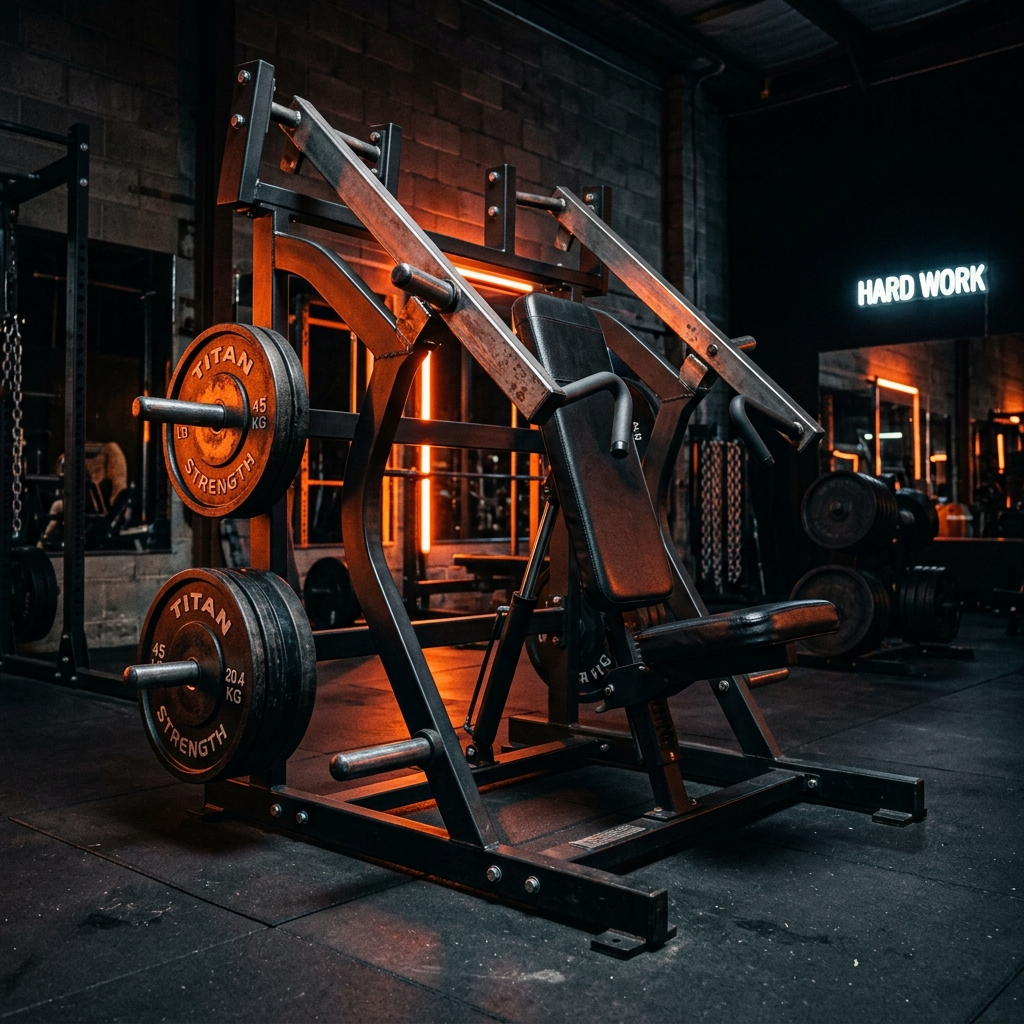
| Overcoming Isometric | Bench Press: 1-2 inches off the chest (sticking point) | 3-5 reps x 3-6 seconds @ 80-100% MVC. 2-3 sets. | Explosive lockout strength for bench. | Rogue Fitness Power Rack, Titan Fitness Plate-Loaded Isometric Trainer. |
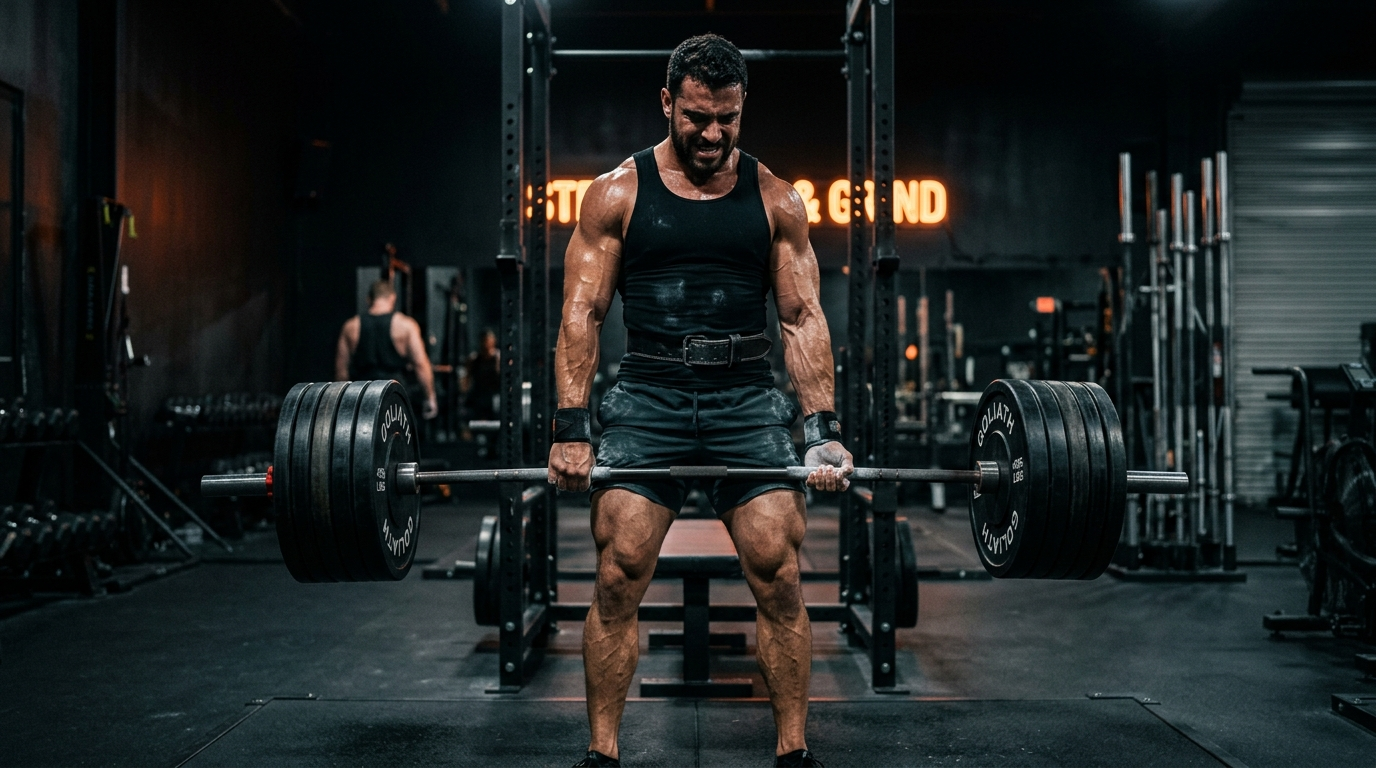
| Overcoming Isometric | Deadlift: Bar at mid-shin or just below the knee | 3-5 reps x 3-6 seconds @ 80-100% MVC. 2-3 sets. | Break-the-floor strength & mid-pull power. | Rogue Fitness Deadlift Platform, Heavy duty bands (e.g., Crossover Symmetry). |
| Yielding Isometric | Pause Squat: Hold at bottom (parallel or below) | 2-3 seconds hold x 3-5 reps. 3-4 sets. | Core stability, strength out of the hole, CNS potentiation. | Nike Metcon 9, Adidas Adipower III. |
| Yielding Isometric | Chin-up/Pull-up: Hold at top, mid-range, or bottom | 10-20 seconds hold (near failure) x 2-3 sets. | Grip strength, back activation, shoulder stability. | Rogue Fitness Multi-Grip Pull-up Bar, Fat Gripz. |
| Quasi-Isometric | Jump Squat (Countermovement Abolished): Pause at bottom before jumping | 3-5 seconds pause, then explosive jump. 3-4 reps x 3 sets. | Explosive power from a "dead stop", RFD. | VersaClimber, Plyo Box (e.g., Rogue Plyo Box). |
Progressive Overload and Application
Just like dynamic training, **progressive overload** is critical for isometrics. This can be achieved by:
- - Increasing the duration of the hold.
- - Increasing the intensity (force exerted, measured by a force plate if available, or perceived effort).
- - Decreasing rest periods between sets.
- - Increasing the frequency of isometric sessions (within recovery limits).
- - Targeting more challenging joint angles.
It’s advisable to perform overcoming isometrics early in a workout, after a thorough warm-up, when the CNS is fresh. This ensures maximal effort and optimal neural activation. Jeff Nippard's comprehensive guides on compound lifts emphasize the importance of proper setup and maximal bracing, which are doubly critical when attempting maximal isometric contractions.
When integrating specific movements, consider the following:
For the squat, a pause at the bottom, or an overcoming isometric against pins set just above the sticking point, can dramatically improve your drive. Jeff Nippard's squat guide provides excellent insights into maintaining tension and proper form, which translates directly to effective isometric application.
For the bench press, overcoming isometrics with the bar pinned a few inches off the chest or at lockout can overcome the most common sticking points, boosting both press strength and stability. Proper shoulder mechanics, as highlighted by Jeff Cavaliere of Athlean-X, are crucial here to prevent injury during maximal static holds.
For the deadlift, overcoming isometrics at mid-shin or just below the knee can bolster your ability to break the bar off the floor and lockout forcefully. Jeremy Ethier's biomechanical analyses, particularly for lat engagement, provide foundational knowledge for creating full-body tension during these maximal efforts.
Essential Gear and Nutritional Support
To maximize the benefits of isometric training and ensure safety, investing in quality gear and supporting your efforts with optimal nutrition is paramount.
Footwear
For exercises like isometric squats or deadlifts, a stable, flat-soled shoe is critical for maximizing force transfer and maintaining proper foot mechanics. Recommended options include the Nike Metcon series (e.g., Metcon 9), the Adidas Adipower lifting shoes, or the Reebok Nano series, all of which offer excellent stability and a firm base.
Equipment
A robust Rogue Fitness power rack (e.g., Monster Lite or Infinity series) is indispensable for performing safe and effective overcoming isometrics. High-quality resistance bands (like those from Crossover Symmetry or EliteFTS) can also be used for specific yielding isometric applications or for variable resistance training. While not essential for all, a force plate system (e.g., from Vald Performance) offers objective data on force production, providing invaluable feedback for progression.
Supplements
While no supplement can replace consistent training and a balanced diet (as expertly detailed by Dr. Layne Norton), certain aids can support recovery and performance, especially when pushing maximal efforts.
- - Whey Protein: Post-workout, a high-quality whey protein like Optimum Nutrition Gold Standard 100% Whey or Myprotein Impact Whey Protein supports muscle protein synthesis and recovery.
- - Creatine Monohydrate: Widely researched, creatine (e.g., Nutrabolt C4 Sport Creatine or MuscleTech Platinum 100% Creatine) enhances ATP regeneration, crucial for high-intensity, short-duration efforts characteristic of isometrics.
- - Essential Amino Acids (EAAs)/Branched-Chain Amino Acids (BCAAs): Can aid in reducing muscle soreness and promoting recovery. Reputable brands include Scivation Xtend or Bodybuilding.com Signature EAA.
Conclusion: Embrace the Power of Stillness
The human body is an exquisite machine, capable of incredible feats of strength and power. To unlock its full potential, we must explore every facet of muscle contraction. Isometric training, far from being a niche or auxiliary method, stands as a scientifically validated pathway to unparalleled gains in absolute strength, **rate of force development**, and crucial stability. By understanding its physiological underpinnings and applying precise, targeted protocols – whether through overcoming maximal efforts or controlled yielding holds – athletes can systematically dismantle sticking points, enhance neural drive, and refine their ability to generate explosive power.
Incorporating the "Static Dynamo" into your regimen, with mindful attention to progressive overload, proper form, and adequate recovery (insights from experts like Dr. Andrew Huberman on **active recovery** are invaluable here), will not only elevate your lifts but fundamentally transform your athletic capacity. Embrace the stillness, for within it lies the blueprint for explosive, dynamic mastery.