Zen & Flex: Adaptogens for Gym Resilience
Unlocking the science behind nature's stress-busters: optimize your body's response to training load and accelerate recovery.
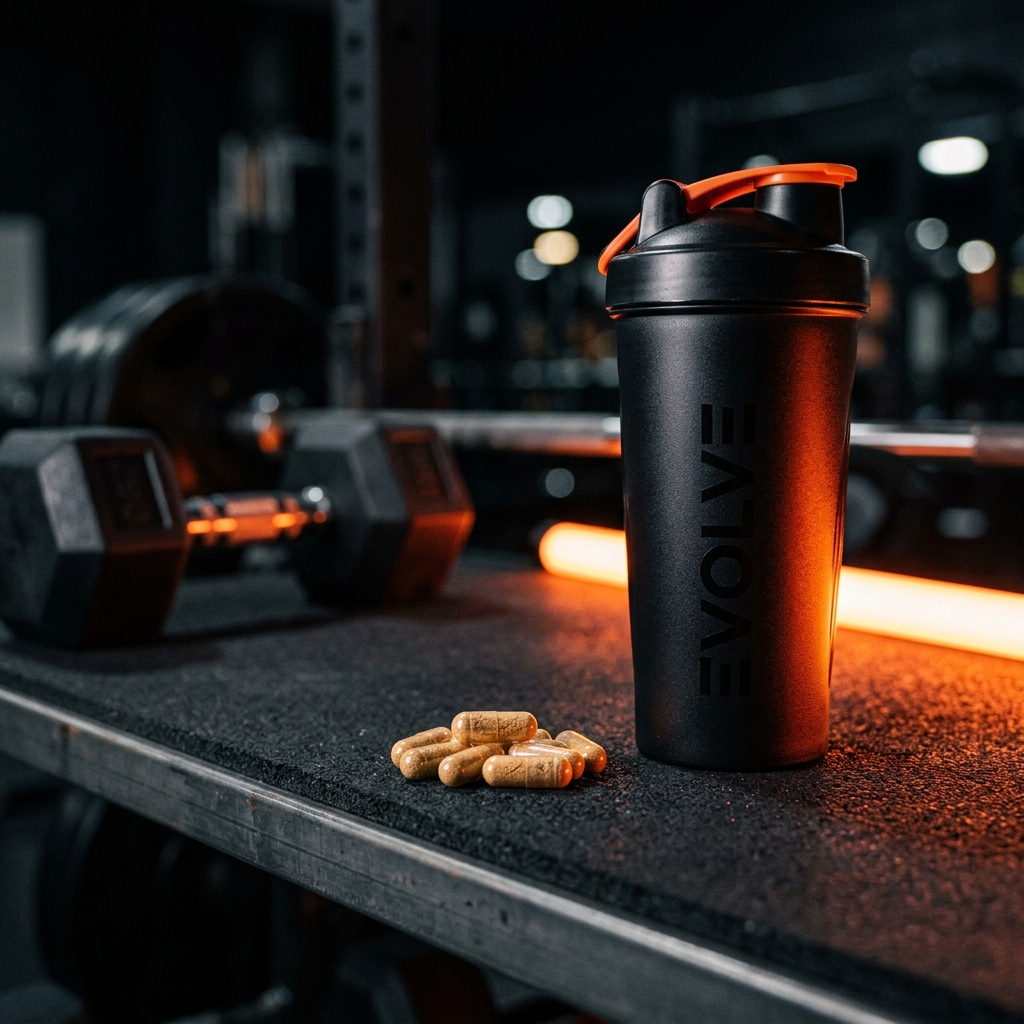
In the relentless pursuit of peak physical conditioning, modern athletes, bodybuilders, and fitness enthusiasts often push the boundaries of human physiology. The quest for **progressive overload**, the relentless drive to lift heavier, run faster, and endure longer, inevitably introduces a significant physiological and psychological burden. While this adaptive stress is the very catalyst for growth – be it **hypertrophy** or enhanced cardiovascular capacity – an imbalance can quickly tip the scales towards overtraining, burnout, and compromised recovery. This intricate dance between stress and adaptation is governed by complex biological pathways, and it is precisely here that nature offers a profound solution: adaptogens.
As Dr. Alistair Vance, PhD, I have dedicated years to unraveling the intricate interplay between botanical compounds and human performance. This article delves deep into the scientific underpinnings of adaptogens, unveiling how these remarkable plant compounds can optimize your body's stress response, fortify your resilience to training load, and significantly accelerate your journey towards superior recovery and unparalleled gym resilience.
The Biological Imperative: Understanding Stress, Allostasis, and the HPA Axis
To truly appreciate the power of adaptogens, we must first comprehend the sophisticated biological machinery that governs our response to stress. When confronted with any perceived threat or challenge – be it a heavy squat session, a competitive sprint, or psychological pressure – our body orchestrates a symphony of physiological changes known as the stress response. Central to this response is the **Hypothalamic-Pituitary-Adrenal (HPA) axis**, a neuroendocrine system that serves as the body's primary stress regulator.
Upon activation, the hypothalamus releases corticotropin-releasing hormone (CRH), which signals the pituitary gland to secrete adrenocorticotropic hormone (ACTH). ACTH then travels to the adrenal glands, prompting the release of **cortisol**, often dubbed the "stress hormone." While acute cortisol surges are vital for mobilizing energy reserves, suppressing non-essential functions (like digestion and immune response) to focus on immediate survival, and facilitating rapid decision-making, chronic elevation of cortisol can be profoundly detrimental to athletic aspirations.
Sustained high levels of cortisol can lead to muscle protein breakdown (catabolism), suppress immune function, impair sleep quality, and even contribute to visceral fat accumulation. In the context of intense physical training, this chronic activation of the HPA axis leads to what researchers call **allostatic load**. **Allostasis** refers to the process by which the body achieves stability (homeostasis) through physiological or behavioral change. However, when the demand for allostasis is prolonged or severe, the cumulative wear and tear on the body, or allostatic load, can manifest as chronic fatigue, persistent inflammation, reduced performance, and increased susceptibility to injury or illness. Adaptogens offer a unique strategy to modulate this allostatic burden, helping the body navigate the stressors of training with greater grace and efficiency.
Adaptogens Demystified: Modulating Cellular Stress Responses
The term "adaptogen" was first coined by Dr. Nikolay Lazarev in 1947, defining substances that increase the "state of non-specific resistance" in an organism. Later, Dr. Israel Brekhman and Dr. Igor Dardymov refined this definition, stipulating three key criteria:
"An adaptogen is a non-toxic substance at normal doses; it produces a non-specific physiological response that enhances the body's ability to resist various stressors (physical, chemical, biological); and it has a normalizing influence on physiology, meaning it helps bring the body back to a state of **homeostasis**."
Unlike stimulants that merely mask fatigue or provide a transient energy boost, adaptogens work by subtly modulating the body's internal systems, primarily by influencing the HPA axis and the Sympathoadrenal System (SAS). Their mechanisms are multifaceted, involving:
- **Stress Hormone Regulation:** They help normalize cortisol levels, preventing both excessive peaks and troughs, thus mitigating catabolic processes and supporting an anabolic environment conducive to muscle growth and repair.
- **Cellular Resilience:** Adaptogens can enhance the expression of **Heat Shock Proteins (HSPs)**, cellular chaperones that protect proteins from damage under stress and aid in their proper folding and repair. This improves cellular integrity and function.
- **Neurotransmitter Balance:** They can influence neurotransmitter systems, such as serotonin, dopamine, and GABA, contributing to improved mood, focus, and reduced perceived exertion during training.
- **Antioxidant and Anti-inflammatory Effects:** Many adaptogens possess potent antioxidant properties, neutralizing harmful reactive oxygen species (ROS) generated during intense exercise, thereby reducing oxidative stress and inflammation, which are key impediments to recovery.
- **Immune System Support:** By modulating stress responses, adaptogens can prevent stress-induced immunosuppression, keeping the athlete's immune system robust and less susceptible to illness, which can derail training progress.
The Elite Arsenal: Top Adaptogens for Enhanced Gym Resilience
While numerous plants are classified as adaptogens, some stand out for their robust scientific backing and specific benefits relevant to physical performance and recovery.
Rhodiola Rosea (Arctic Root)
Hailing from the cold, mountainous regions of Europe and Asia, Rhodiola Rosea is revered for its ability to combat fatigue and enhance mental clarity. Its primary active compounds, salidrosides and rosavins, interact with various physiological systems, including the HPA axis, to modulate stress hormone release.
**Mechanism & Benefits:** Rhodiola enhances the synthesis of ATP (adenosine triphosphate), the primary energy currency of the cell, and promotes fat burning during exercise, sparing glycogen stores. Research suggests it can reduce perceived exertion, improve endurance performance, and accelerate recovery by minimizing muscle damage and inflammation post-exercise. It also boosts cognitive function, which is critical for maintaining focus during challenging training sessions. A typical effective dosage ranges from 200-600 mg of standardized extract (containing 3% rosavins and 1% salidrosides) per day, often taken before workouts.
Ashwagandha (Withania somnifera)
A cornerstone of Ayurvedic medicine, Ashwagandha is perhaps the most well-researched adaptogen for its direct impact on stress and performance. Its potent bioactives, called withanolides, are responsible for its broad spectrum of effects.
**Mechanism & Benefits:** Ashwagandha is particularly effective at reducing cortisol levels, which has profound implications for athletes. Lower cortisol translates to a more anabolic environment, promoting muscle protein synthesis and mitigating muscle breakdown. Studies have demonstrated its ability to significantly increase strength (e.g., bench press and leg extension) and improve power output. Furthermore, it enhances cardiorespiratory endurance, reduces body fat percentage, and crucially, improves sleep quality – a non-negotiable component of recovery. Look for standardized extracts like **KSM-66 Ashwagandha**, which has been extensively studied. Dosing typically ranges from 300-600 mg of KSM-66 daily, often split into two doses, with one taken before bed to support sleep. Brands like Transparent Labs and NOW Foods offer high-quality KSM-66 formulations.
Panax Ginseng (Asian Ginseng)
Referred to as the "king of herbs," Panax Ginseng is revered for its ability to enhance physical and mental vitality. Its active compounds, ginsenosides, interact with various biological pathways, including the HPA axis, nitric oxide synthesis, and glucose metabolism.
**Mechanism & Benefits:** Panax Ginseng improves cognitive function, including memory and reaction time, and reduces mental fatigue – essential for sustained focus during intense training. It enhances physical performance by improving oxygen utilization and reducing muscle damage through its antioxidant properties. Ginsenosides can also support the immune system, providing a crucial buffer against the immunosuppressive effects of heavy training. Typical dosages involve 200-400 mg of a standardized extract (4-7% ginsenosides) daily.
Cordyceps Sinensis
This unique fungus, traditionally found growing on insect larvae in the high altitudes of the Himalayas, is highly prized for its performance-enhancing effects. Modern cultivation allows for sustainable production.
**Mechanism & Benefits:** Cordyceps is thought to boost the body's production of ATP, increasing cellular energy, and improve the efficiency of oxygen utilization, particularly benefiting aerobic capacity and endurance. Studies indicate it can enhance exercise performance, reduce fatigue, and may possess anti-inflammatory and antioxidant properties that aid in recovery. It's often favored by endurance athletes for its ability to potentially increase VO2 max. Dosing can range from 1,000-3,000 mg of powdered extract daily.
Schisandra Chinensis
Known as the "five-flavor berry," Schisandra is another potent adaptogen with a long history in traditional Chinese medicine. Its active compounds, lignans, are responsible for its numerous benefits.
**Mechanism & Benefits:** Schisandra primarily supports liver health, enhancing detoxification processes. It also improves mental performance, concentration, and coordination, while reducing physical and mental fatigue. Its antioxidant effects help protect cells from exercise-induced damage. For athletes, this can translate to clearer focus during workouts and better overall systemic health to support heavy training loads. Typical dosage is 500-2,000 mg of fruit powder or 100-200 mg of standardized extract daily.
Strategic Implementation: Protocols for Peak Performance and Accelerated Recovery
Integrating adaptogens into your regimen requires a thoughtful approach. While generally safe, individual responses can vary, and consistency is key. Always consult with a healthcare professional before adding new supplements, especially if you have underlying health conditions or are taking medications.
Sample Adaptogen Stacking Protocol for Enhanced Resilience
Consider a multi-faceted approach to leverage the synergistic effects of different adaptogens, tailored to specific times of day or training goals. For example, some individuals might find a pre-workout stack beneficial for focus and endurance, while a nighttime blend could optimize recovery and sleep.
| Goal/Timing | Recommended Adaptogens | Rationale & Specifics |
|---|---|---|
| Pre-Workout Focus & Endurance | Rhodiola Rosea, Cordyceps Sinensis | Rhodiola (200-300 mg standardized) for reduced perceived exertion and mental clarity. Cordyceps (1-2g powdered extract) for ATP boost and oxygen utilization. Take 30-60 minutes before training. |
| Daily Stress Management & Strength | Ashwagandha (KSM-66), Panax Ginseng | Ashwagandha (300 mg KSM-66) in the morning for cortisol modulation and strength support. Panax Ginseng (200 mg standardized) for sustained energy and cognitive function. Brands like Optimum Nutrition or Myprotein sometimes offer Ashwagandha in their daily wellness lines. |
| Nighttime Recovery & Sleep | Ashwagandha (KSM-66), Schisandra Chinensis | Ashwagandha (300 mg KSM-66) 30-60 minutes before bed for sleep quality and recovery from stress. Schisandra (500 mg powder) for liver support and overall systemic well-being during rest. |
| Intense Training Cycle Support | Comprehensive Blend | Consider a product specifically formulated with a blend of multiple adaptogens (e.g., from brands like Life Extension or Gaia Herbs) to provide broad-spectrum support against cumulative training stress. |
The Synaptic Symphony: Beyond Adaptogens – A Holistic Blueprint
While adaptogens are powerful allies in your fitness journey, it is imperative to understand that they are precisely what their name implies – they help you *adapt*. They are not magic bullets, nor can they compensate for fundamental deficiencies in training, nutrition, or recovery. As Dr. Mike Israetel of Renaissance Periodization frequently emphasizes regarding **hypertrophy** and training principles, supplements are only beneficial when the foundational elements are optimized.
Optimize Your Foundation: Pillars of Performance
-
**Nutrition:** The bedrock of performance. As Dr. Layne Norton eloquently explains, achieving your body composition goals hinges primarily on **caloric balance** and proper macronutrient intake. Fueling your body with high-quality protein, complex carbohydrates, and healthy fats is non-negotiable for muscle repair, energy, and overall health.
-
**Training:** Structured, progressive training is the stimulus for adaptation. Whether your goal is strength, hypertrophy, or endurance, adherence to principles of **progressive overload** is paramount. Mastering fundamental movements like the squat, bench press, and deadlift with impeccable form is crucial for long-term gains and injury prevention. For instance, Jeff Nippard's detailed guides on proper technique are invaluable resources.
Similarly, for upper body strength, Jeff Nippard's insights on the bench press are essential:And for developing a strong posterior chain and overall power, Jeremy Ethier's biomechanical analysis for exercises like pull-ups and lat development is highly instructive:Don't forget the importance of balanced training and injury prevention, particularly for complex joints like the shoulders, where expert guidance from coaches like Jeff Cavaliere of Athlean-X is invaluable for longevity in training.
-
**Recovery:** Often overlooked, recovery is where adaptation truly occurs. Adequate sleep, stress management, and active recovery techniques are crucial. Dr. Andrew Huberman provides excellent, science-backed protocols for optimizing rest and managing fatigue. Think beyond passive rest; incorporating light activity, stretching, and mobility work aids in blood flow and waste product removal via the **lymphatic pump**.
- **Gear & Equipment:** While not directly physiological, the right gear can optimize performance and prevent injury. For footwear, consider specialized lifting shoes like the Adidas Adipower or Nike Romaleos for heavy lifts, or versatile trainers such as the Nike Metcon or Reebok Nano for functional fitness. Investing in quality equipment, such as a Rogue Fitness barbell or Eleiko plates, ensures safety and consistency in your training environment.
By fortifying these fundamental pillars, you create an environment where adaptogens can truly shine, acting as sophisticated catalysts that amplify your body's innate capacity for resilience and growth.
Conclusion: Embracing Nature's Wisdom for Unprecedented Resilience
The journey to elite physical performance is a testament to consistency, discipline, and scientific application. In this complex interplay of genetics, training stimulus, and environmental factors, adaptogens emerge as powerful, natural allies. By scientifically modulating the HPA axis, enhancing cellular resilience, and optimizing the body's response to stress, these remarkable botanical compounds empower you to push past plateaus, recover with greater efficacy, and sustain high-intensity training with reduced risk of burnout.
As Dr. Vance, I advocate for an informed, evidence-based approach to supplementation. Adaptogens are not a quick fix, but rather a sophisticated tool to be wielded strategically within a comprehensive, holistic fitness strategy. When integrated thoughtfully with optimized nutrition, intelligent training, and dedicated recovery, adaptogens can indeed unlock a new dimension of gym resilience, allowing you to not only withstand the demands of your training but to truly thrive. Embrace the wisdom of nature, and redefine your limits.