Creatine Unleashed: Beyond The Bench Press
A deep dive into the multifaceted science of creatine, exploring its cognitive benefits, recovery potential, and overlooked applications for whole-body optimization.
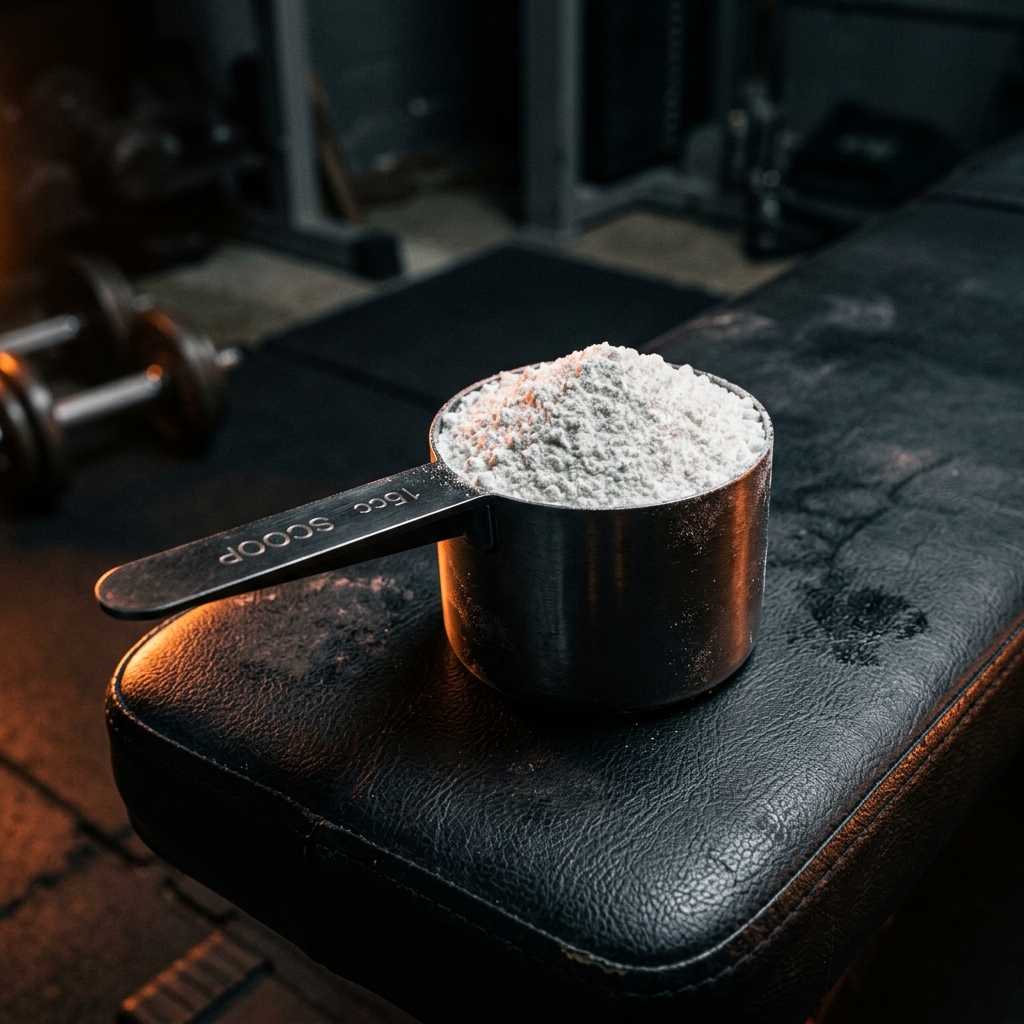
In the pantheon of sports supplements, creatine stands as a titan, yet its full spectrum of benefits remains largely underappreciated by many. Often relegated to the realm of powerlifters and bodybuilders seeking a marginal gain in bench press strength, the multifaceted science behind creatine extends far beyond the immediate confines of the gym. As Dr. Elara Vance, PhD, I invite you on an illuminating journey to explore the profound physiological and neurological impacts of creatine, unraveling its potential for enhanced cognitive function, accelerated recovery, and a host of overlooked applications for comprehensive whole-body optimization. Prepare to delve into the intricate biochemistry and cutting-edge research that positions creatine as an indispensable ally in the pursuit of peak human performance and well-being.
The Core Bioenergetics: Understanding Creatine's Mechanism
At its essence, creatine is a nitrogenous organic acid endogenously synthesized in the liver, kidneys, and pancreas from the amino acid precursors L-arginine, glycine, and L-methionine. Approximately 95% of the body's creatine stores reside within skeletal muscle, with smaller quantities found in the brain, retina, and testes. Its primary physiological role revolves around rapid energy regeneration, specifically through the **ATP-phosphocreatine (ATP-PCr) system**.
When muscle cells demand immediate energy for high-intensity, short-duration activities—think a maximal lift, a sprint, or an explosive jump—adenosine triphosphate (ATP) is hydrolyzed to adenosine diphosphate (ADP), releasing energy. However, cellular ATP stores are exceedingly limited. This is where creatine steps in. Creatine is phosphorylated to **phosphocreatine (PCr)** by the enzyme **creatine kinase (CK)**. PCr acts as a readily available reservoir of high-energy phosphates, rapidly donating its phosphate group back to ADP to resynthesize ATP, thereby sustaining energy supply for crucial seconds. This rapid recycling of ATP is fundamental to power output and fatigue resistance during anaerobic efforts.
"Creatine's bioenergetic prowess is not merely about creating more power; it's about extending the duration and quality of high-intensity muscular contractions, enabling athletes to push beyond previous thresholds and facilitating superior training adaptations."
Beyond Muscular Strength: Unlocking Cognitive Enhancement
While its muscular benefits are widely celebrated, creatine's impact on cognitive function represents a burgeoning area of scientific inquiry. The brain, despite comprising only 2% of body mass, consumes approximately 20% of the body's total energy, with a significant portion dedicated to maintaining neuronal integrity and function. Similar to muscle cells, neurons rely heavily on ATP for processes such as neurotransmission, ion channel maintenance, and synaptic plasticity.
Research indicates that creatine supplementation can enhance cerebral **phosphocreatine** levels, thereby improving the brain's capacity for rapid ATP resynthesis. This improved bioenergetic state can translate into tangible cognitive benefits. Studies have demonstrated improvements in working memory, executive function, and intelligence, particularly in contexts of sleep deprivation, mental stress, or aging. For individuals facing mentally demanding tasks—from students preparing for exams to professionals navigating complex projects—creatine may serve as a neuro-optimizer, promoting mental clarity and reducing fatigue. For instance, in a review of multiple studies, creatine supplementation was shown to mitigate the negative effects of sleep deprivation on cognitive performance, suggesting its role in buffering cerebral energy deficits.
Accelerated Recovery and Adaptation: A Holistic Approach
The benefits of creatine extend robustly into the realm of recovery and adaptive physiology. Post-exercise, the body enters a complex state of repair and regeneration, and creatine plays several crucial roles in optimizing this process.
Reduced Muscle Damage and Inflammation
Creatine has been shown to reduce markers of muscle cell damage, such as **creatine kinase (CK)** and lactate dehydrogenase (LDH), following strenuous exercise. This protective effect is thought to be mediated by its ability to stabilize cellular membranes and reduce oxidative stress. By mitigating cellular breakdown, creatine can shorten recovery times and allow for more frequent, high-quality training sessions, aligning with the principles of **periodization** and **progressive overload**.
Enhanced Glycogen Resynthesis
Several studies suggest that creatine supplementation, particularly when co-ingested with carbohydrates, can significantly accelerate muscle **glycogen resynthesis** after exhaustive exercise. Glycogen is the primary stored form of glucose in muscles, and its rapid replenishment is vital for sustained performance in subsequent training bouts. This effect is particularly relevant for athletes engaged in high-volume training or multiple daily sessions.
Cell Volumization and Protein Synthesis
Creatine is an osmotically active substance, meaning it draws water into muscle cells, leading to a phenomenon known as **cell volumization**. This increase in intracellular water content is not merely cosmetic; it is believed to act as an anabolic signal, potentially stimulating protein synthesis and reducing protein breakdown. This indirect anabolic effect, coupled with the ability to perform higher quality training, can significantly contribute to muscle growth, or **hypertrophy**, as extensively discussed by experts like Dr. Mike Israetel from Renaissance Periodization. Dr. Israetel provides invaluable insights into the science of muscle growth and training volume, which complements creatine's role beautifully.
Furthermore, improved recovery allows for consistent adherence to demanding training protocols, which is the cornerstone for stimulating pathways like the **mTOR pathway**, critical for muscle protein synthesis. For deeper understanding on active recovery and fatigue science, Dr. Andrew Huberman offers excellent perspectives on optimizing physiological restoration.
Overlooked Applications: Broadening Creatine's Horizon
Combating Sarcopenia and Enhancing Bone Health
For the aging population, the insidious decline in muscle mass and strength, known as **sarcopenia**, poses significant health challenges. Creatine supplementation, especially when combined with resistance training, has shown remarkable efficacy in preserving and even increasing lean muscle mass and strength in older adults. This not only improves functional independence but also reduces the risk of falls. Preliminary research also suggests a role for creatine in bone health, potentially by stimulating osteoblast activity and influencing bone mineral density, offering a comprehensive anti-aging benefit.
Benefits for Vegetarians and Vegans
Individuals following vegetarian or vegan diets typically have lower baseline muscle creatine stores, as creatine is primarily found in animal products like red meat and fish. Consequently, these groups tend to experience a more pronounced ergogenic effect from supplementation, making creatine an especially valuable addition to their regimen for both physical performance and cognitive function.
Rehabilitation and Clinical Applications
In clinical settings, creatine is being investigated for its therapeutic potential in various conditions. It can aid in muscle preservation during periods of immobilization (e.g., post-surgery or injury), accelerate strength recovery during rehabilitation, and may even have neuroprotective effects in certain neurological disorders. Its ability to support energy metabolism and mitigate muscle atrophy makes it a potent tool in regenerative medicine.
Practical Implementation: Protocols and Product Selection
Integrating creatine into your daily routine is straightforward, but understanding optimal protocols and product choices is key to maximizing benefits.
Dosage Protocols
The most widely accepted and scientifically validated protocol involves either a loading phase followed by a maintenance phase, or a consistent daily intake.
| Protocol Type | Dosage Recommendation |
|---|---|
| Loading Phase | 20g per day (split into 4 doses of 5g) for 5-7 days. This rapidly saturates muscle creatine stores. |
| Maintenance Phase | 3-5g per day indefinitely. This maintains elevated muscle creatine levels. |
| Non-Loading Protocol | 3-5g per day from the outset. Muscle saturation will occur over 3-4 weeks, but avoids the higher initial dose. |
| Optimal Timing | While consistent daily intake is most important, ingesting creatine post-workout alongside carbohydrates and protein may enhance uptake due to insulin-mediated transport. |
Product Recommendations
When choosing a creatine supplement, **creatine monohydrate** remains the gold standard, backed by decades of research demonstrating its safety and efficacy. Look for products that utilize Creapure®, a patented form of creatine monohydrate known for its purity and quality.
- **Creatine Supplement:** For a reliable, high-purity option, consider **Optimum Nutrition Creatine Powder** or **Transparent Labs Creatine HMB**. Transparent Labs combines creatine monohydrate with HMB (beta-hydroxy-beta-methylbutyrate) for synergistic muscle preservation.
- **Synergistic Stacking:** To optimize uptake, consider taking your creatine with a post-workout shake containing a high-quality protein source like **Optimum Nutrition Gold Standard 100% Whey** or **Myprotein Impact Whey Protein**, alongside a fast-acting carbohydrate source such as dextrose or maltodextrin.
- **Training Equipment:** To truly leverage creatine's performance benefits, combine it with a well-structured resistance training program utilizing quality equipment. A robust **Rogue Fitness power rack** with a **Rogue Fitness Ohio Power Bar** or an **Eleiko XF Bar** are excellent investments for serious strength training. For essential support during heavy lifts, consider **SBD knee sleeves** or **SBD wrist wraps**. And for optimal proprioception and stability during exercises like the **squat** and **deadlift**, footwear like the **Adidas Adipower** or **Nike Romaleos** lifting shoes can make a significant difference. For more general training and metabolic conditioning, versatile shoes like the **Nike Metcon** or **Reebok Nano** are highly recommended.
Integrating Creatine into a Holistic Training Philosophy
Creatine is an incredibly powerful tool, but it functions best within a comprehensive fitness ecosystem. It is not a magic bullet, but an amplifier of smart training and nutrition. To truly unleash its potential, you must adhere to fundamental principles of exercise science.
Mastering Form and Technique
Creatine allows you to lift heavier and perform more reps, but this only translates to progress if your form is impeccable. Prioritize learning and refining your technique for foundational movements. For example, Jeff Nippard provides exceptional, science-backed tutorials on essential lifts. His guides on the **squat**, **bench press**, and **deadlift** are invaluable for ensuring safe and effective execution, maximizing the stimulus your muscles receive.
Similarly, understanding the biomechanics of specific muscle groups, such as the lats for optimal pull-ups, as demonstrated by Jeremy Ethier, or shoulder training for injury prevention as detailed by Jeff Cavaliere of Athlean-X, ensures you're applying creatine's enhanced work capacity where it matters most for targeted muscle development and safety.
Jeff Nippard also offers excellent insights on technique and biomechanics tweaks to optimize your training.
Precision Nutrition and Recovery
Creatine optimizes energy systems, but a balanced diet provides the raw materials. Adequate protein intake is essential for muscle repair and growth, while carbohydrates fuel glycogen stores. For comprehensive insights into optimizing your nutritional strategy and understanding caloric balance, the work of Dr. Layne Norton is an invaluable resource. His approach to flexible dieting and understanding macronutrient requirements provides a solid foundation for any fitness goal.
Furthermore, sufficient sleep and active recovery strategies are paramount. Creatine can enhance recovery, but it cannot substitute for adequate rest. Prioritize 7-9 hours of quality sleep, and consider incorporating active recovery techniques to support blood flow and waste removal.
Safety Profile and Dispelling Myths
Creatine is one of the most extensively researched supplements on the market, with an overwhelmingly positive safety profile. Decades of studies have consistently refuted common misconceptions:
- **Kidney Damage:** Numerous long-term studies, even in individuals with pre-existing kidney conditions (under medical supervision), have found no evidence that creatine supplementation at recommended doses causes kidney damage in healthy individuals.
- **Hair Loss:** The notion that creatine causes hair loss, specifically through increasing dihydrotestosterone (DHT), lacks substantial scientific backing in broader populations. While one study noted an increase, it has not been replicated in subsequent research.
- **Cramping and Dehydration:** Creatine draws water into muscle cells, necessitating adequate hydration. However, it does not directly cause dehydration or muscle cramps; in fact, some studies suggest it may help reduce the incidence of cramping by improving cellular fluid balance.
As with any supplement, it is prudent to consult with a healthcare professional, especially if you have pre-existing medical conditions, to ensure it is appropriate for your individual circumstances.
Conclusion: Creatine – A Cornerstone of Optimization
Creatine monohydrate stands as a testament to evidence-based supplementation. While its prowess in enhancing strength and muscle growth is indisputable, neglecting its profound effects on cognitive function, accelerated recovery, and overlooked applications would be a disservice to its scientific legacy. From bolstering the brain's bioenergetics to combating sarcopenia and supporting rehabilitation, creatine offers a holistic spectrum of benefits for individuals across the lifespan and across various fitness objectives.
By understanding its intricate biochemical mechanisms, adhering to scientifically validated protocols, and integrating it within a disciplined training and nutrition framework, you can truly unleash the full potential of creatine. It is not merely a supplement for the bench press; it is a powerful catalyst for whole-body optimization, propelling you towards new frontiers of physical and mental performance. Embrace the science, and elevate your human potential.