Peptide Precision: Engineering Hypertrophy & Recovery
Unravel the science of targeted amino acid sequences and their role in accelerating recovery, fostering lean muscle growth, and optimizing cellular repair, moving beyond traditional supplements.
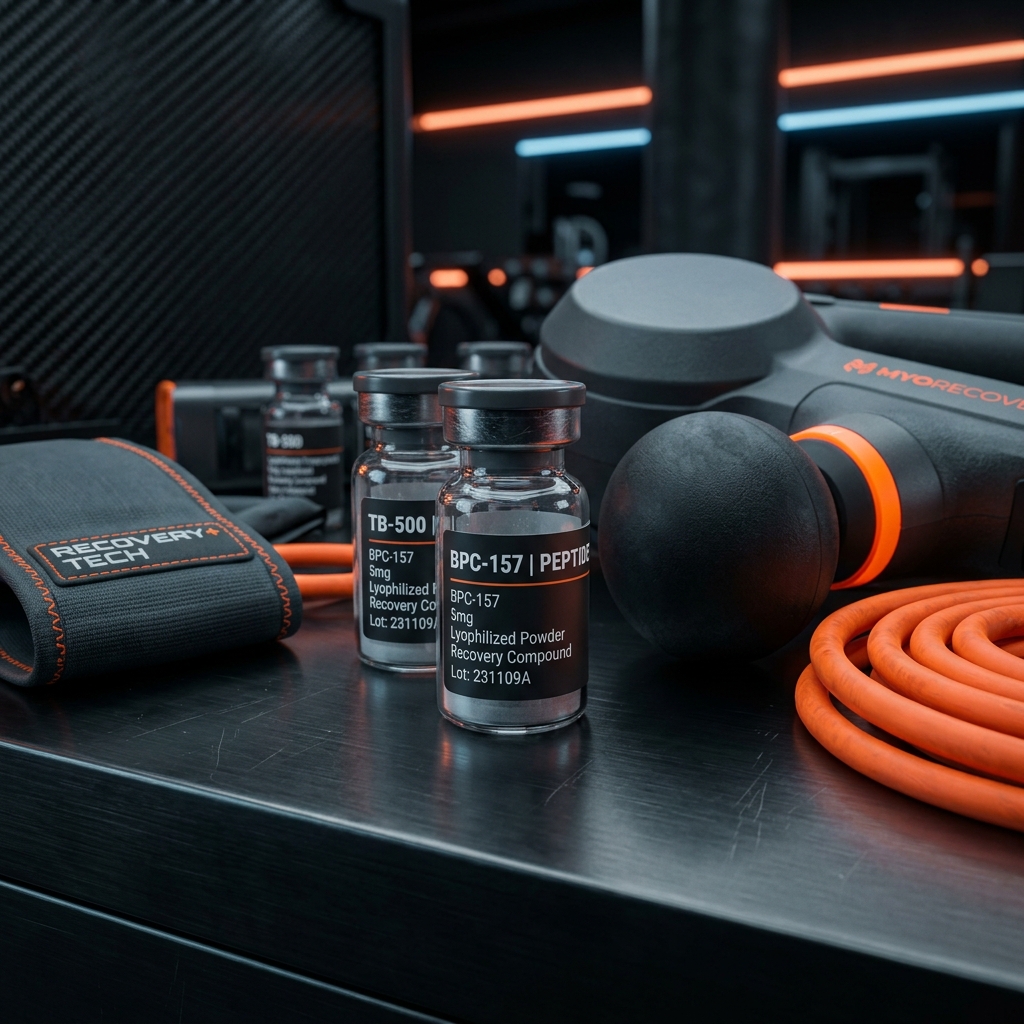
In the relentless pursuit of peak human performance and an optimally sculpted physique, the scientific landscape of fitness continually evolves, offering increasingly refined strategies to augment our biological capabilities. For decades, the foundational tenets of **progressive overload**, meticulously calibrated nutrition, and adequate recuperation have served as the bedrock of muscle accretion and physical resilience. Yet, an emergent frontier, characterized by an exquisite understanding of molecular biology, now beckons: the realm of peptides. Far from the generalized impact of bulk supplements, peptides represent a paradigm shift towards **precision biological engineering**, offering targeted interventions that can profoundly influence cellular repair, lean muscle anabolism, and systemic recovery. This deep dive, authored by Dr. Orion Sterling, aims to unravel the intricate science underpinning these potent amino acid sequences, illuminating their potential to redefine the boundaries of what is achievable in hypertrophy and restorative physiology.
The Molecular Architecture of Performance: What Are Peptides?
At a fundamental biochemical level, peptides are short chains of amino acids, linked together by **peptide bonds**. They are essentially miniature proteins, typically consisting of 2 to 50 amino acids, distinguishing them from larger proteins which comprise 50 or more. This compact size is not merely a quantitative descriptor; it confers unique functional properties. Peptides act as sophisticated signaling molecules, capable of orchestrating a vast array of physiological processes, from hormone regulation and immune response to neurotransmission and tissue regeneration. Their specificity lies in their unique amino acid sequences, which dictate their three-dimensional structure and, consequently, their ability to bind to specific receptors on target cells, much like a key fits into a lock. This precise interaction enables a highly focused cascade of cellular events, making them exceptionally potent agents for modulating biological pathways critical to athletic performance.
Distinguishing Peptides from Proteins and Amino Acids
To fully appreciate the nuanced role of peptides, it's crucial to differentiate them from their related counterparts. Individual amino acids are the fundamental building blocks. Proteins are long, complex polymers of amino acids, folded into intricate structures that perform diverse structural and enzymatic functions. Peptides occupy an intermediate space, possessing greater complexity and specificity than free amino acids, yet smaller and often more bioavailable than full-length proteins. This distinction is critical for understanding their rapid absorption, systemic distribution, and the highly targeted nature of their actions. While a whey protein isolate, like **Optimum Nutrition Gold Standard**, provides a broad spectrum of amino acids for general protein synthesis, a specific peptide sequence targets a particular biological pathway with surgical precision.
Engineering Hypertrophy: Peptides and Muscle Anabolism
The cornerstone of muscle growth, or **hypertrophy**, involves a delicate balance between **myofibrillar protein synthesis** and protein degradation, tipped in favor of the former. This anabolic environment is influenced by mechanical tension (achieved through resistance training with equipment like a **Rogue Fitness Ohio Power Bar** and **Eleiko Sport Training Plates**), metabolic stress, and systemic hormonal signals. Peptides offer a novel means to amplify these signals and optimize cellular machinery for growth.
Growth Hormone Axis Modulation
One of the most well-researched areas in peptide science involves their interaction with the **growth hormone (GH) axis**. Certain peptide classes, known as Growth Hormone-Releasing Peptides (GHRPs) or Growth Hormone-Releasing Hormone (GHRH) analogues, can stimulate the body's natural pulsatile release of endogenous growth hormone from the pituitary gland. This surge in GH, in turn, can lead to an increase in **Insulin-like Growth Factor 1 (IGF-1)**, a potent anabolic hormone. IGF-1 plays a critical role in muscle cell proliferation, differentiation of **satellite cells** (which are crucial for muscle repair and growth), and the upregulation of protein synthesis pathways. This endogenous stimulation of GH and IGF-1 is distinct from exogenous administration, potentially offering a more physiological and sustained anabolic stimulus.
"The beauty of peptides lies in their ability to nudge the body's own sophisticated regulatory systems, rather than overriding them. This precision offers a future where we can optimize endogenous anabolic pathways with unprecedented specificity, aligning perfectly with the principles of biomechanical efficiency and physiological optimization championed by experts like Dr. Mike Israetel."
As Dr. Mike Israetel meticulously explains in his discussions on hypertrophy and muscle growth, the ultimate goal is to create an environment conducive to sustained anabolism. Peptides, by subtly upregulating key hormonal and cellular signals, contribute to this environment without disrupting the intricate feedback loops that maintain physiological homeostasis. This is not about brute-force intervention but intelligent, targeted modulation.
Direct Anabolic Signaling Pathways
Beyond the GH axis, some peptides may directly influence intracellular signaling pathways central to anabolism. The **mTOR (mammalian Target of Rapamycin) pathway** is a prime example, serving as a master regulator of cell growth, proliferation, and protein synthesis. While mechanical tension and adequate amino acid availability (e.g., from **Bodybuilding.com Signature BCAA** supplements) are primary activators of mTOR, specific peptides could potentially augment its activity, leading to enhanced **myofibrillar protein accretion**. Furthermore, research into peptides that interact with the **Akt pathway** or modulate satellite cell activity directly holds immense promise for accelerating muscle repair and regenerative capacity after strenuous workouts, particularly for compound movements like squats and deadlifts.
Perfecting the squat, as demonstrated by the detailed breakdowns from experts like Jeff Nippard, requires not only biomechanical precision but also robust physiological support for adaptation and growth. Peptides, by enhancing the underlying cellular mechanisms, could theoretically accelerate the body's ability to recover from and adapt to such demanding stimuli.
Accelerating Recovery and Cellular Repair
Hypertrophy is only half the equation; the other, equally critical half is recovery. Without adequate rest and repair, the gains from training remain elusive. Peptides offer profound implications for mitigating exercise-induced damage, reducing inflammation, and optimizing the body's innate healing mechanisms.
Anti-Inflammatory and Regenerative Properties
Strenuous physical activity, particularly resistance training with high intensity or volume, induces a controlled inflammatory response essential for signaling adaptation. However, excessive or prolonged inflammation can impede recovery, contribute to muscle soreness (**DOMS**), and even lead to overtraining. Certain peptides possess potent anti-inflammatory properties, modulating the release of pro-inflammatory cytokines and promoting the resolution of inflammation. By fine-tuning this response, they can accelerate the repair of damaged muscle fibers and connective tissues.
Beyond inflammation, peptides can directly promote tissue regeneration. For instance, some sequences may enhance the synthesis of **collagen**, the primary structural protein in tendons, ligaments, and cartilage. This is crucial for joint health and injury prevention, allowing athletes to sustain high-volume training with greater resilience. Consider the stresses placed on joints during heavy deadlifts; supporting the structural integrity of these tissues is paramount.
As expert coaches like Jeff Nippard emphasize in their detailed guides to exercises like the deadlift, proper form minimizes risk, but robust connective tissue integrity provides an additional layer of protection and allows for consistent progression.
Optimizing Cellular Repair and Energy Metabolism
Recovery is fundamentally a cellular process. Peptides can influence cellular metabolism, enhancing **mitochondrial biogenesis** and function, which are critical for ATP production and cellular energy. Improved mitochondrial health means cells can more efficiently repair damage, clear metabolic waste products, and regenerate energy stores. Moreover, some peptides are being investigated for their roles in enhancing **autophagy**, the cellular "housekeeping" process that removes damaged organelles and proteins, thereby promoting cellular longevity and function. This optimization of cellular repair mechanisms is akin to what Dr. Andrew Huberman discusses regarding deep rest and fatigue science, where efficient cellular processes underpin true recovery.
The profound insights shared by Dr. Huberman on active recovery and the science of fatigue underscore the importance of cellular-level recuperation. Peptides, by modulating these intrinsic cellular repair pathways, offer a means to bolster the body's natural capacity for renewal, leading to faster rebound times and reduced susceptibility to overtraining syndrome.
Integrating Peptides into a Holistic Performance Strategy
It is crucial to emphasize that peptides are not a standalone solution but a sophisticated adjunct within a comprehensive, scientifically grounded performance strategy. Their efficacy is maximized when integrated with optimized training protocols, meticulous nutritional intake, and adequate sleep.
Training Synergies
For peptides to exert their anabolic and reparative effects, the body must be stimulated appropriately. This means consistent engagement in well-structured resistance training, focusing on **compound movements** and progressive overload, often with high-quality equipment like a **Titan Fitness Yoke Bar** for specialized movements. Whether you're mastering the intricacies of a bench press with insights from Jeff Nippard, or refining your pull-up mechanics as taught by Jeremy Ethier, the mechanical tension from training acts as the primary signal for adaptation. Peptides then enhance the cellular response to this signal.
These exercises, when performed correctly and progressively, create the necessary physiological demand that peptides can then help the body overcome and adapt from more efficiently. Footwear like **Adidas Adipower** or **Reebok Nano** can provide the stable foundation needed for optimal force transfer during these lifts.
Nutritional Foundations
No amount of peptide supplementation can compensate for a deficient diet. A diet rich in high-quality protein (e.g., from **MuscleTech Nitro-Tech Whey Gold**), complex carbohydrates, and essential fats forms the irreducible foundation for muscle growth and recovery. Dr. Layne Norton's extensive work on nutrition and caloric balance unequivocally highlights the primacy of these macronutrient and micronutrient requirements. Peptides, in this context, act as finely tuned accelerators, optimizing pathways that are already fueled by a robust nutritional intake.
Ensuring adequate caloric intake and a proper macronutrient distribution, as emphasized by Dr. Norton, creates the energetic and raw material reserves necessary for the body to capitalize on any enhanced signaling provided by peptides. Supplemental staples like **Creatine Monohydrate** (e.g., from **NOW Sports**) and **fish oil** further support cellular function and reduce inflammation.
Sample Peptide Integration Protocol (Hypothetical & General)
While specific peptide protocols are highly individualized and require expert guidance, a general framework illustrates how targeted amino acid sequences could theoretically be incorporated. This table provides a conceptual overview, focusing on the *types* of benefits rather than specific, named, potentially unregulated peptides.
| Peptide Benefit Category | Primary Mechanism | Optimized Fitness Outcome | Timing & Duration (Conceptual) |
|---|---|---|---|
| Anabolic Support | Endogenous Growth Hormone Release / mTOR Activation | Enhanced Myofibrillar Protein Synthesis, Satellite Cell Activity, Lean Mass Accretion | Pre-sleep or Post-workout; Cycles of 8-12 weeks |
| Advanced Recovery & Repair | Reduced Inflammation, Collagen Synthesis, Cellular Autophagy | Decreased DOMS, Faster Tissue Healing, Improved Joint Resilience, Enhanced Systemic Recovery | Post-workout or Daily; Continuous or during intense training phases |
| Metabolic Optimization | Improved Mitochondrial Function, Nutrient Partitioning | Increased Energy Efficiency, Enhanced Fat Oxidation, Better Nutrient Utilization | Morning or Pre-cardio; Cycles of 4-8 weeks |
| Neuro-Muscular Efficiency | Nerve Growth Factor Modulation, Neurotransmitter Balance | Improved Motor Unit Recruitment, Enhanced Focus, Reduced Central Nervous System Fatigue | Pre-workout or Daily; As needed for peak performance blocks |
This table illustrates the conceptual potential of peptide categories to target different physiological needs. It's imperative to consult with qualified medical professionals or researchers when considering any novel intervention, especially concerning substances that interact with complex biological systems.
The Future of Performance: Precision and Potential
The burgeoning field of peptide science represents a frontier that promises to revolutionize how we approach hypertrophy, recovery, and overall human performance. By leveraging the body's intrinsic signaling pathways, these targeted amino acid sequences offer a level of precision that traditional supplements cannot match. The shift from broad-spectrum interventions to highly specific molecular modulators signifies a maturation in our understanding of physiology and an embrace of true **biological engineering**.
"As we delve deeper into the intricate language of the cell, peptides emerge as potent communicators, capable of fine-tuning the symphony of biological processes that govern strength, growth, and resilience. This isn't just about bigger muscles; it's about building a more robust, more efficient, and more resilient human system, optimizing every facet of adaptation and recovery."
However, with great potential comes the responsibility for rigorous scientific inquiry, ethical application, and informed decision-making. The landscape of peptide research is dynamic, and while the theoretical underpinnings are compelling, practical application requires a cautious, evidence-based approach. The journey towards engineering hypertrophy and recovery with peptide precision is just beginning, promising a future where the limits of human potential are not just pushed, but meticulously, intelligently, and scientifically expanded. Always prioritize foundational principles of training, nutrition, and rest, and view advanced strategies like peptide integration as synergistic enhancements under expert guidance. The era of personalized, molecularly precise fitness is upon us, and peptides are at the forefront of this exciting revolution.