The Biofeedback Beacon
How Wearable Tech is Redefining Real-Time Form Correction and Performance Optimization.

In the relentless pursuit of peak physical performance and physiological optimization, the landscape of fitness technology has undergone a profound metamorphosis. What began with rudimentary pedometers has evolved into an intricate ecosystem of sophisticated sensors, algorithms, and real-time data streams. We stand at the precipice of a new era, one where the human body is no longer a black box but an open system, its subtle nuances and intricate mechanics illuminated by the ceaseless vigilance of wearable technology. Dr. Elias Thorne, a leading authority in exercise physiology and biomechanics, asserts that this isn't merely an incremental improvement; it is a paradigm shift, establishing the wearable device as a quintessential **biofeedback beacon**, perpetually guiding athletes towards superior form, enhanced efficiency, and accelerated recovery.
This article delves into the scientific underpinnings and practical applications of these advanced devices, exploring how they are fundamentally redefining real-time form correction and ushering in an unprecedented era of personalized performance optimization. We will dissect the mechanisms through which these digital sentinels interpret our kinetic actions, physiological responses, and even cognitive states, transforming raw data into actionable intelligence. The objective is to understand how this synergistic integration of human effort and technological precision empowers individuals to transcend previously perceived limitations, fostering a more intelligent, resilient, and ultimately, more formidable physical self.
The Algorithmic Eye: Deconstructing Real-Time Biomechanical Analysis
At the core of the biofeedback revolution lies the intricate science of biomechanical analysis, facilitated by an array of micro-electro-mechanical systems (MEMS) sensors. Modern wearables are far more than simple accelerometers; they integrate multi-axis **gyroscopes**, **magnetometers**, **electromyography (EMG)** sensors, and even advanced **inertial measurement units (IMUs)**. These sophisticated components work in concert to capture granular data about joint angles, limb velocities, acceleration vectors, and muscle activation patterns across all three planes of motion (sagittal, frontal, and transverse).
Consider the humble squat: a foundational movement, yet notoriously difficult to execute with perfect form. A traditional fitness tracker might log reps, but a biofeedback-enabled device, such as those employing IMU arrays from companies like PUSH or advanced motion capture systems integrated into products like the Gymshark Training App, goes further. It measures the precise depth, consistency of movement, bar path deviation, and even potential valgus collapse at the knee. This data is then fed into highly sophisticated machine learning algorithms. These algorithms, trained on vast datasets of both optimal and suboptimal movement patterns, can identify subtle deviations from ideal kinematics, often before a human eye, even an experienced coach's, can consciously register them.
"The power of real-time biofeedback is in its objectivity. It eliminates the subjective interpretation of movement and provides an unvarnished truth, allowing for immediate, corrective action. This bypasses the typical latency between performing a faulty movement and receiving feedback, accelerating the learning curve dramatically." - Dr. Elias Thorne.
Furthermore, the integration of **force plate technology** (now miniaturized into smart shoes or inserts) provides insights into ground reaction forces, weight distribution, and explosiveness. This allows for a deeper understanding of **kinetic chain efficiency**, identifying weaknesses or compensatory patterns that could compromise performance or predispose to injury. For instance, an imbalance in force production during a unilateral movement, detected by sensors in a **Nike Metcon** or **Reebok Nano** shoe, could indicate a muscular asymmetry requiring targeted intervention.
Precision in Motion: Wearables for Ergonomic Mastery
The true innovation of these biofeedback systems lies not just in data collection, but in the immediacy and efficacy of their feedback mechanisms. They translate complex biomechanical data into intuitive, actionable cues, facilitating **neuromuscular re-education** in real-time. This feedback can be tactile (haptic vibrations on the wrist or limb), auditory (beeps, spoken instructions), or visual (on a connected screen, displaying animated models or graphs).
Consider the classic powerlifting movements: the squat, bench press, and deadlift. These exercises, while incredibly effective, are also highly susceptible to form breakdown, leading to reduced efficacy and increased injury risk. A biofeedback device can act as a tireless, hyper-vigilant coach, providing instantaneous correctional prompts. For example, during a **deadlift**, if the hips rise too quickly relative to the shoulders (a common fault), the device could vibrate at the waist, prompting the lifter to initiate the pull with their legs more aggressively, maintaining a more consistent back angle. This immediate feedback loop is crucial for reinforcing correct motor patterns and preventing the engrainment of detrimental habits.
Expert coaches like Jeff Nippard consistently emphasize the critical role of perfect form for both **hypertrophy** and strength development. His detailed guides often highlight the minute adjustments that differentiate an effective rep from a compensatory one. Wearable tech makes these nuances accessible to everyone, not just those with dedicated, in-person coaching.
As Jeff Nippard masterfully illustrates in his guides, understanding optimal joint pathways and muscle activation during movements like the squat is paramount. Biofeedback wearables complement this by providing an objective, real-time assessment of how closely an individual's movement aligns with these optimal biomechanical principles. This empowers lifters to immediately correct issues such as insufficient depth, excessive forward lean, or knee valgus, thereby maximizing muscle engagement and minimizing injury risk inherent to lifting heavy with equipment like a **Rogue Fitness Ohio Power Bar** and **Eleiko Competition Plates**.
Micro-Adjustments, Macro Impact: Refining Technique
The ability to monitor minute details extends to optimizing **time under tension** and maximizing muscle activation. For instance, during a **bench press**, a device could track bar speed and deviation from a linear path, ensuring the lifter maintains tension throughout the full range of motion. For isolating specific muscles, like the lats during pull-ups, systems can confirm proper scapular retraction and depression, a point frequently stressed by biomechanics experts like Jeremy Ethier in his detailed tutorials.
As Jeremy Ethier demonstrates in his insightful analysis of lat biomechanics, achieving true lat activation during pull-ups requires precise control and engagement. Biofeedback devices, by detecting subtle changes in joint angles and movement patterns, can guide users to replicate these expert-level techniques, ensuring that the target musculature is effectively stimulated for optimal growth and strength development.
Beyond Reps and Sets: Optimizing the Physiological Landscape
The utility of biofeedback transcends mere mechanical correction, extending into the intricate domain of physiological self-regulation and recovery optimization. Wearables like the **Whoop Strap**, **Oura Ring**, and advanced **Garmin** or **Polar** devices provide a continuous stream of data on key biomarkers: **Heart Rate Variability (HRV)**, resting heart rate, sleep architecture (REM, deep, light stages), skin temperature, and even respiratory rate. These metrics offer a window into the autonomic nervous system's state, revealing an individual's readiness for exertion and their capacity for recovery.
**Heart Rate Variability** is particularly potent as a proxy for sympathetic-parasympathetic balance. A higher HRV generally indicates a well-recovered, resilient physiological state, while a suppressed HRV often signals accumulated stress, whether from intense training, inadequate sleep, or psychological stressors. By tracking HRV trends, athletes can make informed decisions about daily training intensity. Pushing hard when HRV is low risks entering a state of **overtraining syndrome**, characterized by chronic fatigue, reduced performance, and increased injury susceptibility. Conversely, holding back when the body signals high readiness might mean missing an opportunity for optimal **supercompensation**.
"The true genius of modern biofeedback is its ability to quantify the unquantifiable aspects of performance – readiness, recovery, and resilience. It allows us to move beyond rigid, pre-programmed schedules and towards an autoregulated approach that respects the body's dynamic physiological state." - Dr. Elias Thorne.
Dr. Andrew Huberman, a neuroscientist renowned for his work on sleep, stress, and recovery, frequently discusses the profound impact of these physiological markers on overall health and athletic prowess. Understanding and responding to these signals is paramount for sustained progress and injury prevention. Wearables provide the objective data necessary to apply Huberman's principles of optimizing sleep cycles, managing stress through mindful practices, and timing recovery protocols effectively.
Dr. Andrew Huberman’s in-depth research into active recovery and fatigue science underscores the importance of interpreting physiological cues. Wearable tech provides the objective data, such as HRV and sleep metrics, that allow athletes to apply Dr. Huberman's principles. This enables personalized recovery strategies, ensuring that the body is adequately rested and primed for subsequent training sessions, mitigating the risks of **central nervous system fatigue** and promoting long-term adaptation.
The Synergistic Ecosystem: Integrating Biofeedback for Holistic Performance
The most advanced applications of biofeedback occur when multiple data streams converge into a holistic, synergistic ecosystem. This involves integrating data from form-tracking sensors, physiological recovery monitors, and even nutritional intake logs. Platforms capable of aggregating and analyzing this disparate data create a comprehensive athlete profile, enabling truly personalized **periodization** and **autoregulation** of training intensity and volume.
For example, a lifter might plan for a high-intensity squat day. However, their Oura Ring data reveals a poor night's sleep and suppressed HRV, while their Whoop Strap indicates high recovery strain. Simultaneously, their **MyFitnessPal** or similar nutrition tracker shows a caloric deficit. Collectively, this data strongly suggests that attempting maximum lifts would be counterproductive, increasing injury risk and hindering **adaptive resistance**. The biofeedback system would recommend deloading, focusing on technique work, or prioritizing active recovery instead.
This data-driven approach moves beyond generic training templates, tailoring every session to the individual's dynamic physiological state. The concept aligns perfectly with the principles advocated by Dr. Mike Israetel of Renaissance Periodization, who emphasizes the importance of understanding **recovery capacities**, **stimulus-to-fatigue ratios**, and individual variability in response to training loads for maximizing **hypertrophy** and strength gains.
Dr. Mike Israetel’s comprehensive insights into hypertrophy and muscle growth science underscore the precise variables necessary for optimal development. Biofeedback tools, by providing objective data on physiological readiness and form integrity, enable athletes to align their training protocols with Dr. Israetel's evidence-based recommendations, ensuring that each workout contributes maximally to muscle protein synthesis and minimizes the risk of overtraining.
Case Study: The Biofeedback-Driven Strength Protocol
To illustrate the practical application of biofeedback, consider a hypothetical strength athlete aiming to improve their **one-rep max (1RM)** in the squat while mitigating injury risk. This athlete utilizes a comprehensive suite of biofeedback tools:
- **Wearable HR/HRV Monitor**: A **Whoop Strap 4.0** for continuous physiological monitoring (HRV, sleep, recovery).
- **Form Tracking Device**: A smart sensor system (e.g., from **PUSH** or integrated smart gym equipment like **Tonal**) for real-time biomechanical feedback on squats.
- **Activity Tracker**: An **Apple Watch Ultra** or **Garmin Fenix** for daily activity, caloric expenditure, and supplemental exercise tracking.
- **Nutrition App**: A dedicated nutrition tracking app (e.g., **MyFitnessPal** or **Cronometer**) to monitor macronutrient and micronutrient intake.
Based on the daily readiness score from the Whoop Strap, the athlete adjusts their training. On "green" days (high readiness), they target heavy lifts, while "yellow" or "red" days prompt a focus on technique work, lighter accessory movements, or active recovery. The form tracker provides crucial feedback during every heavy squat, ensuring optimal depth, consistent bar path, and preventing the hips from shooting up too quickly.
Their nutrition is also precisely managed. Guided by principles espoused by experts like Dr. Layne Norton, the athlete maintains a slight caloric surplus during strength phases, ensuring adequate energy for intense workouts and recovery. They prioritize nutrient-dense whole foods and supplement with high-quality products such as **Optimum Nutrition Gold Standard 100% Whey Protein** for post-workout recovery, **Creatine Monohydrate** (e.g., **BulkSupplements Micronized Creatine Powder**) for strength and power, and **Nordic Naturals Ultimate Omega** for anti-inflammatory benefits and joint health.
Dr. Layne Norton's scientific approach to nutrition and caloric balance is indispensable for athletes aiming to optimize performance. By tracking dietary intake through apps, and combining this with activity and recovery data from wearables, athletes can fine-tune their nutritional strategies according to Dr. Norton's recommendations, ensuring adequate fuel for training and efficient recovery.
Sample Weekly Biofeedback-Driven Strength Protocol
| Day | Primary Focus | Biofeedback Integration | Gear & Supplement Recommendations |
|---|---|---|---|
| Monday | Heavy Squats & Accessory Work | **WHOOP** "Green" (Optimal Readiness): Push Intensity. **FORM TRACKER**: Real-time feedback on squat depth & bar path. Identify any **kinetic chain** weaknesses. |
**Rogue Fitness Westside Barbell**, **Eleiko Powerlifting Plates**, **Adidas Adipower** weightlifting shoes. Pre-workout: **C4 Original**. Post-workout: **Optimum Nutrition Gold Standard Whey**. |
| Tuesday | Bench Press & Upper Body | **WHOOP** "Yellow" (Moderate Readiness): Maintain form, focus on controlled reps. **FORM TRACKER**: Bar speed velocity, concentric/eccentric tempo. Prevent shoulder impingement (as advised by Jeff Cavaliere from Athlean-X). |
**Rogue Fitness Monster Lite Bench**, **Rogue Ohio Power Bar**. Intra-workout: **XTEND BCAA Powder**. |
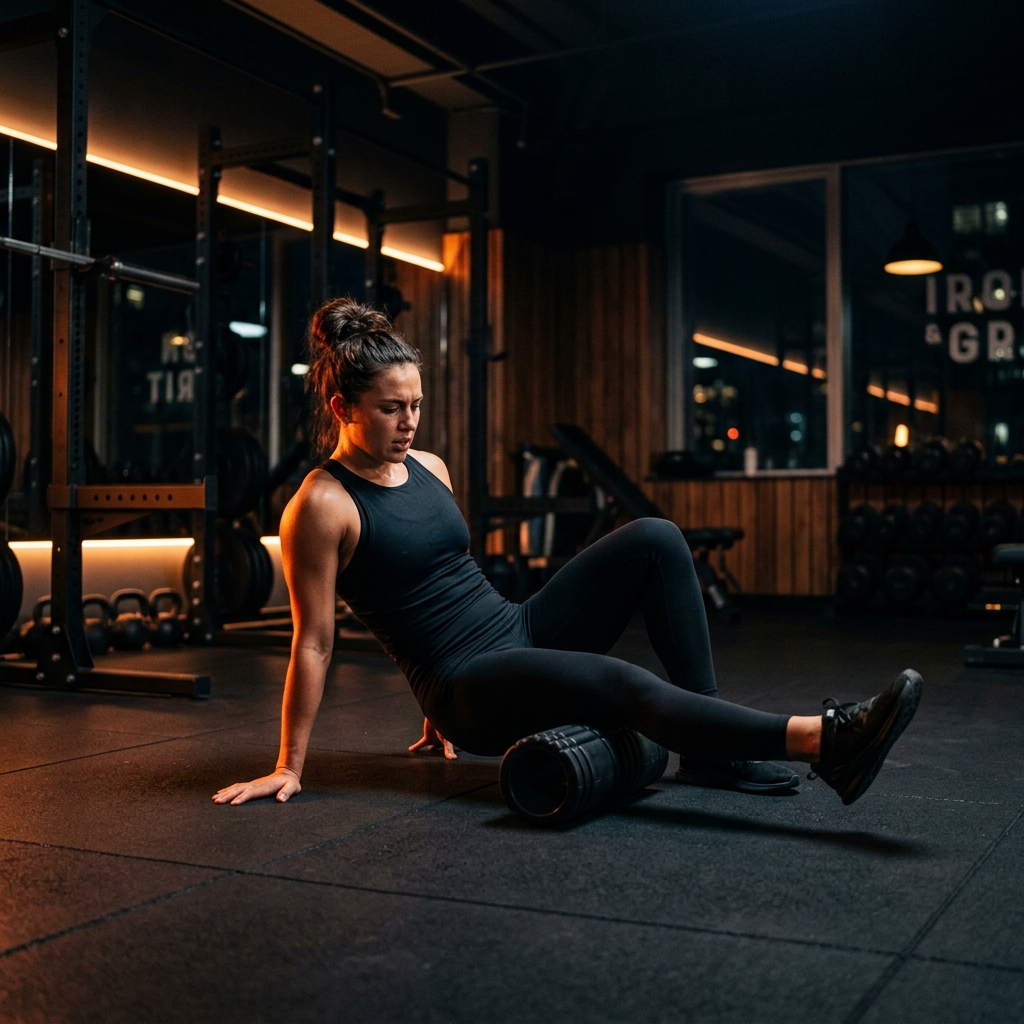
| Wednesday | Active Recovery / Mobility | **WHOOP** "Red" (Low Readiness): Prioritize rest. Light walking, foam rolling, dynamic stretching. Monitor HR for recovery zones. |
**TriggerPoint GRID Foam Roller**, **TheraBand Resistance Bands**. Supplements: **Garden of Life Raw Organic Plant Protein**, **Magnesium Glycinate**. |
| Thursday | Heavy Deadlifts & Back Work | **WHOOP** "Green" (Optimal Readiness): Target new **1RM** or **RPE** max. **FORM TRACKER**: Hip hinge mechanics, consistent back angle. Ensure neutral spine. |
**Rogue Fitness Deadlift Bar**, **Competition Bumper Plates**, **Do-Win Weightlifting Shoes**. Post-workout: **Creatine Monohydrate** (e.g., BulkSupplements). |
| Friday | Accessory Strength & Core | **WHOOP** "Yellow": Focus on controlled, moderate intensity. **FORM TRACKER**: Isolation exercises (e.g., bicep curls, tricep extensions) to prevent compensatory movements. |
**Titan Fitness Adjustable Dumbbells**, various resistance bands. Supplements: **Optimum Nutrition Micronized Creatine Capsules**, **Multivitamin** (e.g., Thorne Research Basic Nutrients). |
| Saturday & Sunday | Rest & Recovery | **WHOOP/Oura Ring**: Monitor sleep quality, HRV trends. Optimize sleep environment. | Supplements: **ZMA** (Zinc, Magnesium, Vitamin B6), **Ashwagandha** (e.g., KSM-66). |
This structured approach, constantly refined by real-time biofeedback, represents the zenith of personalized training. It moves beyond the limitations of generalized programs, enabling athletes to intelligently navigate the demands of **progressive overload** and maximize their **anabolic potential** without succumbing to **overreaching** or injury.
Conclusion: The Future is Now, and It's Instrumented
The integration of wearable technology into the fabric of fitness and athletic development marks a pivotal moment in human performance science. No longer are we solely reliant on subjective perception or periodic professional assessments; the **biofeedback beacon** provides a continuous, objective lens into our internal and external physiological states. From the granular precision of form correction to the holistic optimization of recovery and readiness, these devices are democratizing access to elite-level coaching insights.
As sensors become even smaller, more accurate, and more seamlessly integrated into everyday apparel and equipment, the potential for personalized optimization is virtually limitless. Imagine smart clothing with embedded EMG sensors providing haptic feedback on muscle activation during every rep, or neural interfaces that monitor cognitive load and focus during intricate skill-based training. The future points towards a truly symbiotic relationship between human and machine, where technology acts as an extension of our proprioceptive capabilities, guiding us with unparalleled precision.
Ultimately, the goal remains the same: to unlock human potential. Biofeedback wearables are not merely gadgets; they are sophisticated instruments empowering individuals to become their own most informed coaches, fostering a deeper understanding of their bodies, and ultimately, building stronger, more resilient, and more optimized versions of themselves. The era of intelligent training is here, and it is meticulously instrumented, continuously learned, and infinitely adaptable.